Making a Bracket: March Madness Advertising Guide 2026
This March Madness guide covers where the demand is, when to push spend, what creatives work, and how to squeeze the most value out of the tournament spike.
March means a lot of things to a lot of people. National Banana Cream Pie Day. National Cereal Day. International Day of Action for Rivers. But the main event, of course, is March Madness. So mad in fact, that the finals take place in April. But we’ll ignore that!
March Madness. 3 intense weeks when you’ll start seeing brackets even with your eyes closed. Attention gets louder, emotions go back to basics, and screen time goes up across desktop, mobile, streaming, and social. That combination is a gift for advertisers (and a money printer for publishers) as long as you show up with a plan instead of vibes.
Countries to Target
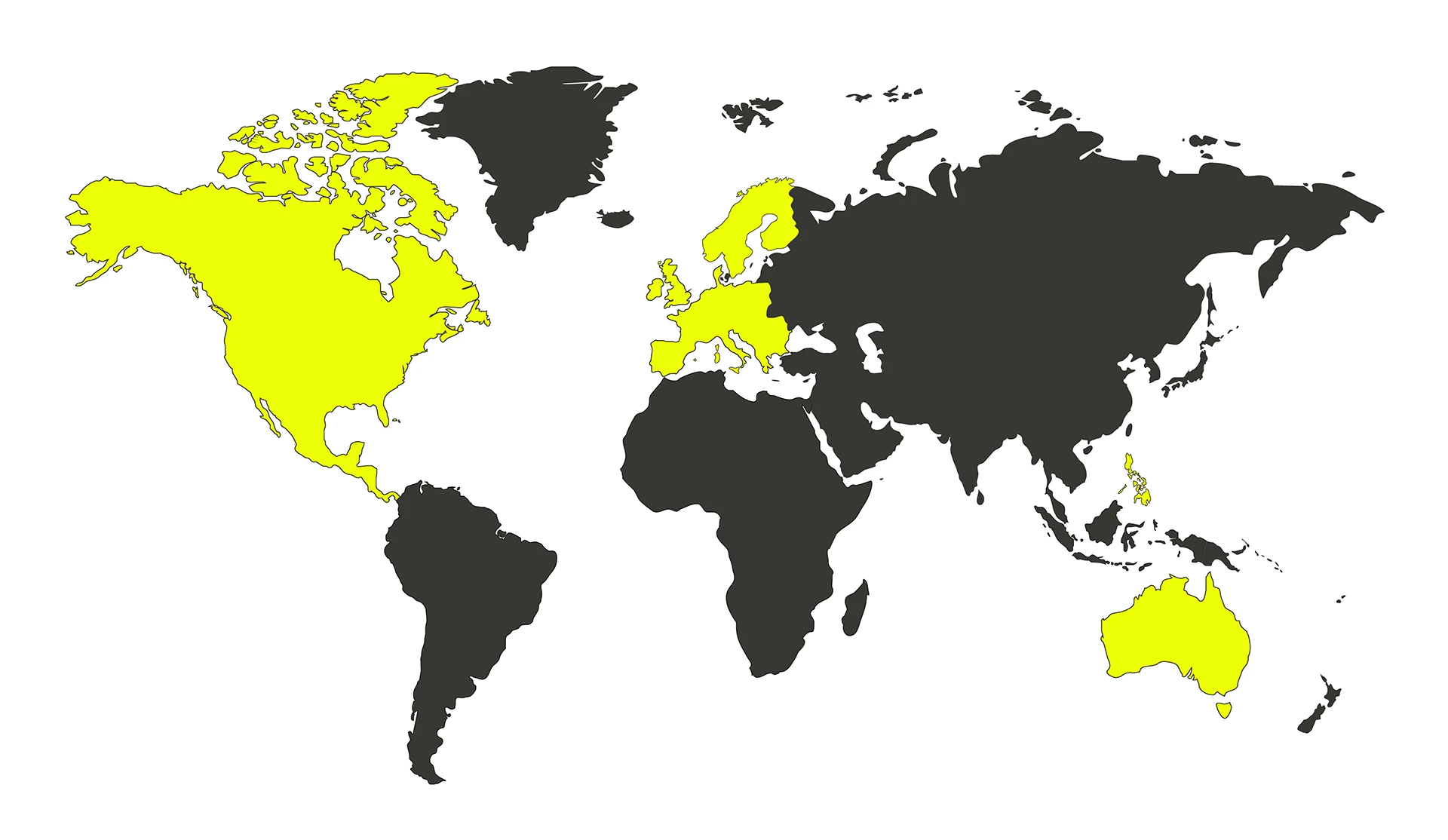
Yes, March Madness is U.S-born. No, it doesn’t stay in the U.S. If you’re trying to diversify traffic sources and keep performance stable when U.S. inventory gets crowded, these are the priority markets to include:
- The U.S 🇺🇲 (obviously)
- Canada 🇨🇦
- The UK 🇬🇧
- Mexico 🇲🇽
- The Philippines 🇵🇭
- Spain 🇪🇸
- Australia 🇦🇺
- Germany 🇩🇪
- Italy 🇮🇹
- Puerto Rico 🇵🇷
Practical move: run your “core” campaigns in the U.S., then use the other markets for extra volume and to capture additional impressions when U.S. CPMs climb.
What the Experts Are Saying
March is mad for a reason. No one can predict a 64-team bracket perfectly. But four teams are showing up again and again on people’s radars as “likely to go deep”:
- Michigan – big emphasis on data models, steady, consistent production
- Arizona – balance and pace control, the kind of team that survives ugly games
- Duke – talent + coaching + tournament comfort. They don’t panic.
- UConn – repeatedly projected near the top, with the profile of a legit title threat.
If your creatives lean into “favorites,” “front-runners,” or bracket confidence… These are the safest names to borrow.
When and How to Run Your Campaigns
March Madness 2026 is a series of spikes. Treat it like waves. Here are the key dates for your diaries. Apologies in advance for the alliteration – they love it. But seriously, the dates will come in useful when planning your campaign spikes.
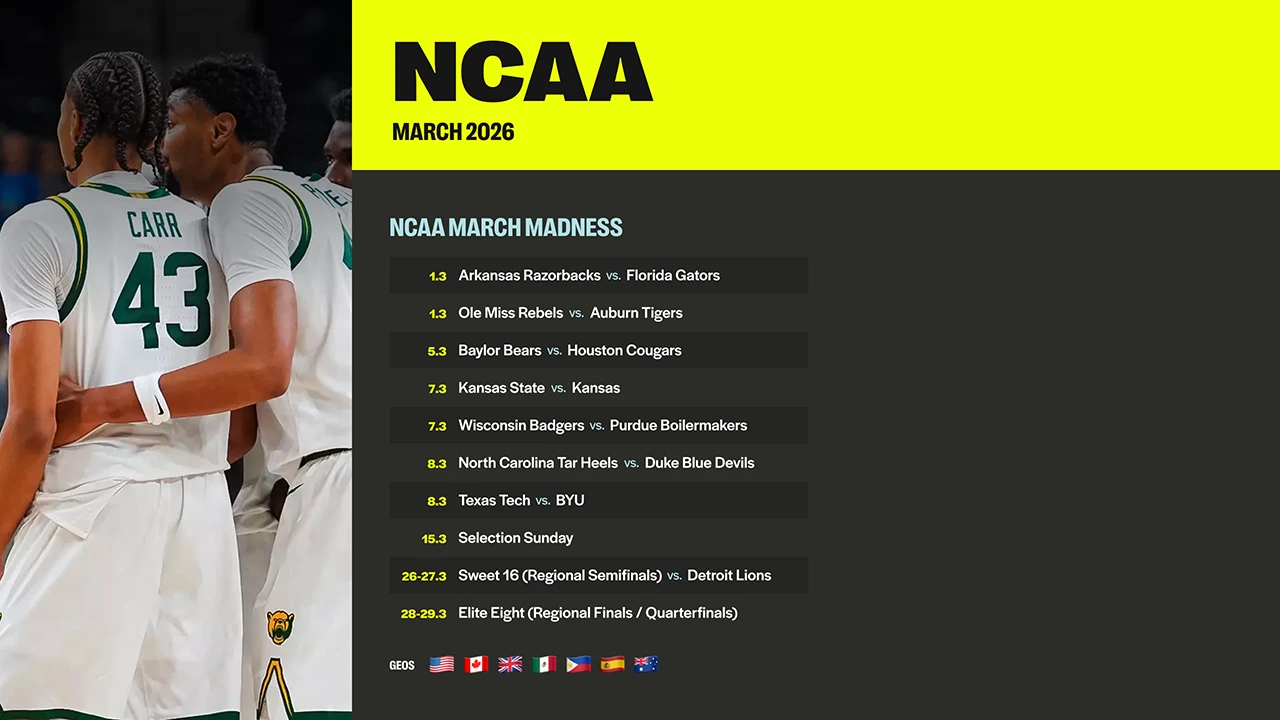
- March 15 – Selection Sunday
- March 17-18 – First Four (who are actually the last 4. It’s very confusing.)
- March 19-22 – First and Second Rounds
- March 26-27 – Sweet Sixteen
- March 28-29 – Elite Eight
- April 4 – Final Four
- April 6 – Championship Game
Pre-Tournament Hype (right about…now)
People start Googling, comparing teams, and making bold predictions with little evidence. After all, drawing up your own bracket is half the fun. Perfect for:
- sign-ups
- lead capture
- app installs
- “bracket tools” type offers
Early Rounds
This is the biggest volume window. Tons of games, constant updates, nonstop scrolling.
Perfect for:
- high-reach campaigns
- performance scaling
- broad retargeting pool building
Sweet 16 to Elite Eight
The casual audience narrows, but engagement gets deeper. Perfect for:
- higher-intent offers
- stronger CTAs
- conversion-focused creatives
Final Four + Championship Game
Fewer games, bigger moments, higher prices. Perfect for:
- brand campaigns
- high-margin products
- “event-based” limited-time offers
Inside Tip – Last year, the men’s Championship game drew a crowd of 14.7 million viewers. The women’s final, however, drew a viewership of 18.7 million. Don’t just focus on the men, or you’re missing out.
How to run without wasting money:
- Start with wider targeting early. Narrow and retarget later.
- A/B test creative before the biggest rounds, not during.
- Increase bids and budgets as you approach the highest-intent games.
Ad Content
March Madness content works when it feels like it belongs in the moment. We don’t mean just screaming “MARCH MADNESS!!!” either, even though everyone else is. You just need to speak the language of the season.
What tends to hit:
- Bracket psychology: “Confident pick” / “safe choice” / “don’t overthink it”
- Underdog energy: “Upsets happen. You can cause one too.”
- Live urgency: Countdowns, limited-time drops, and mid-game promos
- Social proof: “Join X fans who…” or “Millions are watching…”
Copy rules for this period:
- Shorter is better.
- Don’t explain. Imply.
- Keep the CTA simple: “Download”. “Watch free”. “Bet now”. “Shop now”. “Try for free”.
Ad Formats
During March Madness, users bounce between apps and screens like caffeinated pinballs. Your formats should match that behavior.
Strong performers typically include:
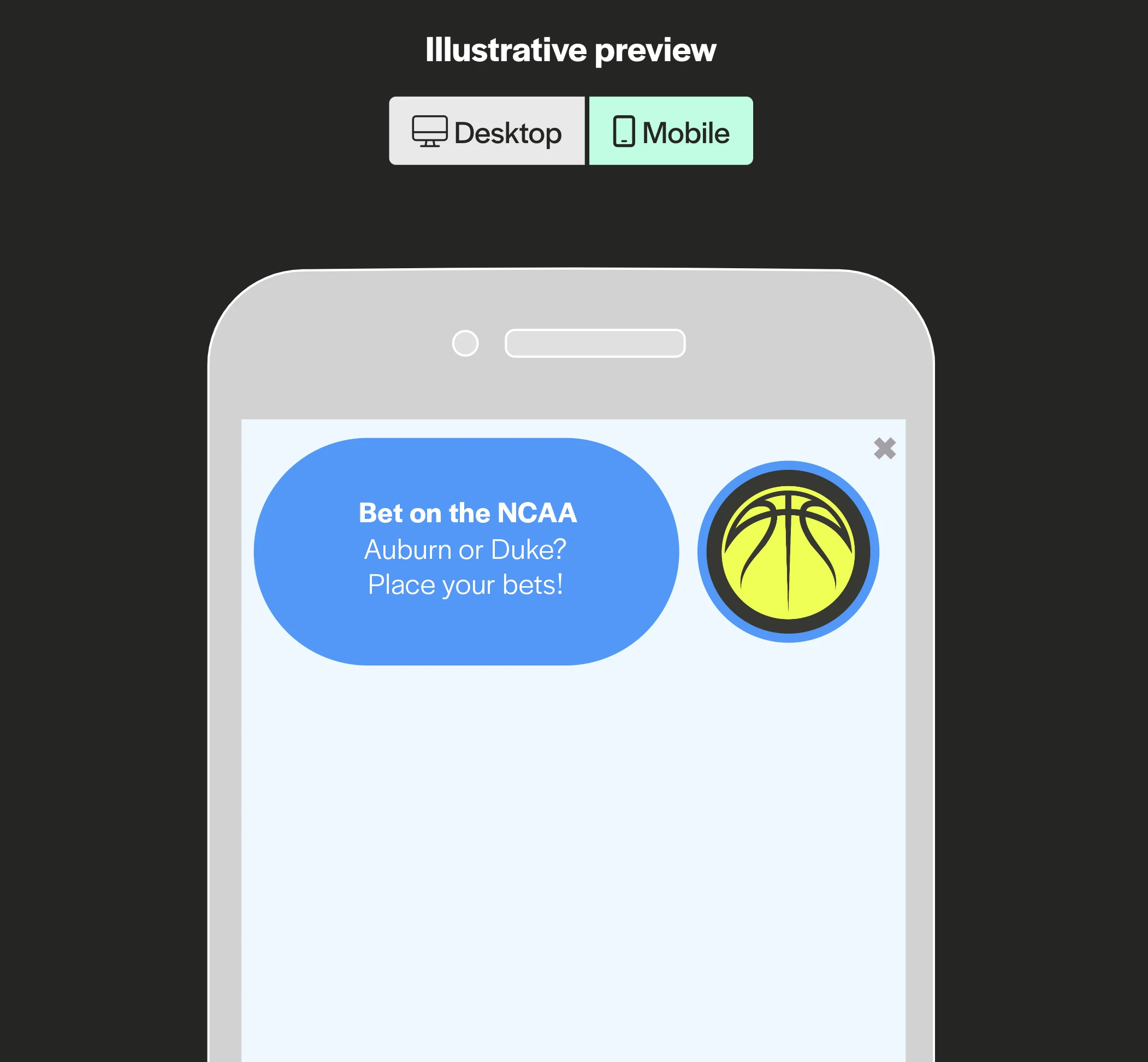
- In-page push for fast, repeat visibility (especially for live moments)
- Display for scalable reach with quick message delivery
- Pop-under when you need volume and impact
- Video where available. Best for brand and “big moment” storytelling
Payment Models
Choose your model based on your goal, not guesswork.
CPM – Best for reach and visibility during high-traffic rounds.
CPC – Ideal for driving clicks when engagement spikes early in the tournament.
CPA – Strongest for performance campaigns once you’ve built a warm audience.
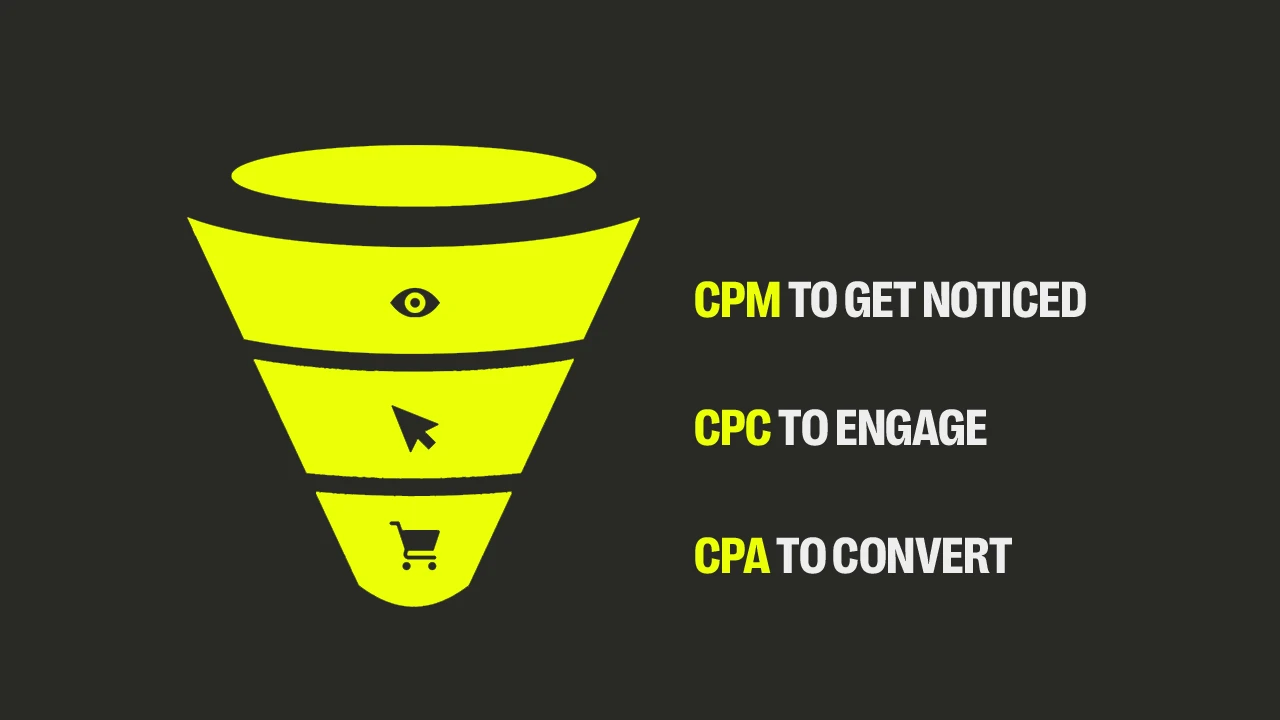
Simple approach: Scale with CPM or CPC early. Optimize and convert with CPA later.
Monetization Strategy
If you’re a publisher, March Madness 2026 is when you stop “running ads” and start operating a revenue event.
Ways to squeeze the most out of the spike:
Make your site mobile-first (or pay the price)
A huge chunk of traffic is live-score checking on mobile. If your placements are clunky, slow, or misaligned, you’ll lose both UX and RPM.
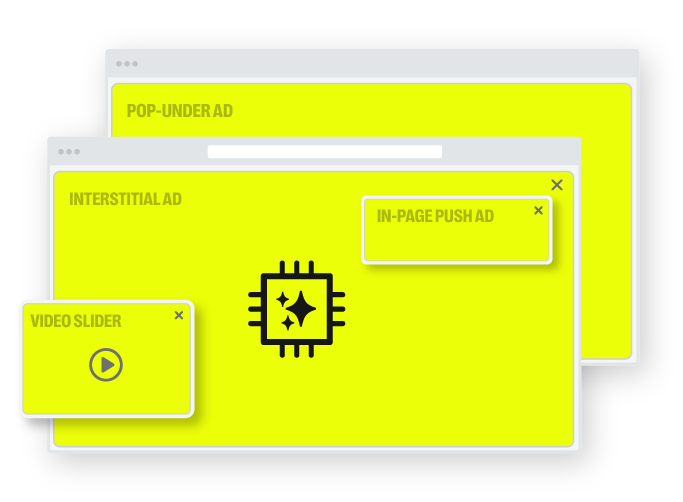
Use our 4-in-1 Solution, Autotag
Set your earnings goal (maximise earnings in the massive games, prioritize user experience in the early rounds), sit back and let the algorithm do the rest. Autotag switches seamlessly between Pop-Under, Interstitial, In-Page Push and Video Slider.
Adjust floors with the tournament rhythm
Demand rises through the tournament. Your floors should move with it — especially around peak rounds.
Plan for “after March”
The smartest publishers monetize the post-tournament echo:
- retargetable audiences
- email captures
- returning sports traffic
Conclusion
March Madness 2026 is short, loud, and unpredictable. That’s why it works. Follow these tips to transform an outside chance into a surefire victory, and check out our sports calendar for even more tips.
Advertisers win by timing spend with attention spikes, matching creative to the moment, and using the right formats for multi-screen behavior.
Publishers win by treating the tournament like a revenue event: optimizing mobile UX, tightening floors, and upgrading placements while demand is hot.
Share

Peter Howarth
Content Writer, Adcash
Good writing should feel like a conversation, not a lecture. I obsess over word choice so you don’t have to.


Join the conversation
Your email address will not be published. Required fields are marked *