NHL Advertising 2026–27: The Complete Season Strategy
Hockey is back. So are fresh starts, questionable predictions, and fans deciding their team is winning the Stanley Cup after one decent preseason performance.
The 2026–27 NHL season starts September 29, with 84 games per team and 1,344 regular-season games. That is a lot of hockey to build campaigns around.
There is audience momentum behind it, too. ESPN reported an average of 760,000 viewers across 54 regular-season games on ESPN and ABC in 2025–26, up 30% year over year. Those are broadcast figures, rather than a forecast for your campaign results, but they give advertisers a reason to pay attention.
The opportunity is to turn that interest into relevant offers, well-timed campaigns, and conversions you can actually measure.
This guide covers the key dates, countries to target, creative ideas, ad formats, and bidding strategies to help you build your NHL advertising 2026-27 playbook!
Time to get your campaigns on the ice.
Countries to Target
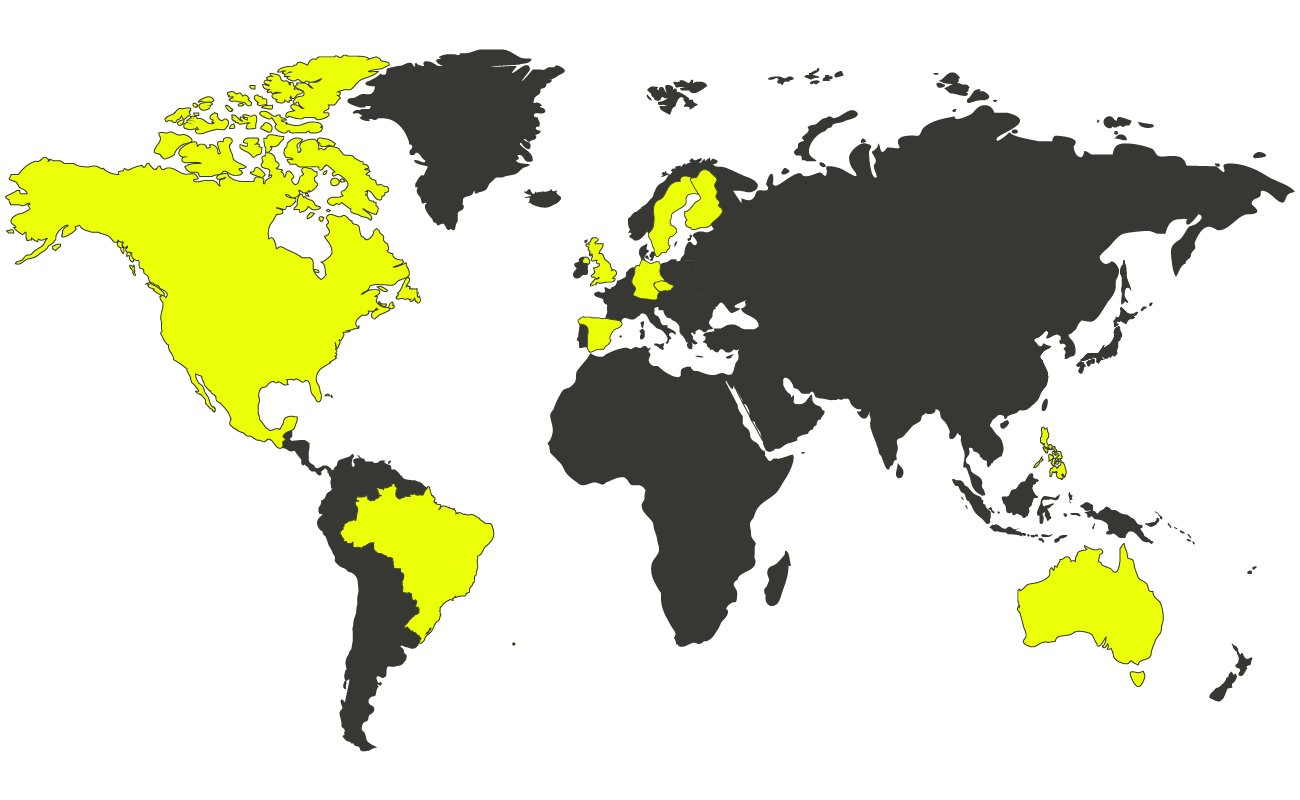
Start with a testing plan, rather than a world map covered in hopeful circles.
United States and Canada: Your Starting Lineup
Build separate tests for the United States and Canada, with budgets, offers, and landing pages suited to each market.
Then get more specific. Test city-focused messaging where your offer supports it, localize language where appropriate, and schedule around the games that matter to the audience you are trying to reach.
For example, a promotion built around a home opener could use local references and game-night language. A subscription campaign might lead with the practical benefit of keeping up with the entire season.
Let conversion performance decide which markets deserve more budget.
Finland and Germany: Build Around the Global Series
Finland and Germany both host NHL regular-season games this season, giving advertisers a clear reason to test localized campaigns.
Prepare relevant language versions, check local viewing times, and align your offer with the event. A generic English-language campaign scheduled around North American evening hours is a fairly expensive way to miss the point.
Additional Markets: Expand Selectively
Consider Sweden and Czechia for their established hockey audiences, while Australia, the Philippines, Spain, and Brazil are also worth testing based on Adcash campaign performance and their potential as strong digital sports traffic markets.
Treat these as testing opportunities, not a guaranteed ranking of profitable NHL advertising traffic. A country’s interest in hockey and its performance for your particular offer are different questions.
Key NHL Advertising Dates For Advertisers
Build your campaign calendar around a mix of opening-week activity, international games, outdoor events, and the late-season run-in.
The dates and fixtures below come from the NHL’s official schedule announcement. The campaign angles are suggested starting points for testing.
| Date | Event | Campaign angle to test |
|---|---|---|
| September 29, 2026 | Opening night, including Florida at defending champion Carolina | Season-launch offers, fresh-start messaging, title-defense storylines |
| October 13, 2026 | All 32 teams in action | A league-wide campaign with team-specific creative variations |
| October 25, 2026 | Heritage Classic: Montreal vs. Winnipeg, outdoors in Winnipeg | Canadian audiences, outdoor hockey, local game-day promotions |
| November 12 and 14, 2026 | Global Series Finland: Carolina vs. Seattle in Helsinki | Finnish-language campaigns and local event messaging |
| December 18 and 20, 2026 | Global Series Germany: Chicago vs. Ottawa in Düsseldorf | German-language campaigns and pre-Christmas offers |
| December 31, 2026 | Winter Classic: Utah vs. Colorado in Salt Lake City | New Year’s Eve promotions and watch-party themes |
| February 5–6, 2027 | NHL All-Star Weekend on Long Island | Player-focused content, entertainment, and broader hockey interest |
| February 20, 2027 | Stadium Series: Dallas vs. Vegas in Arlington | Event-specific creative and Texas-focused tests |
| April 10, 2027 | Regular-season finale, with all 32 teams playing | Final-week offers and playoff-race messaging where relevant |
Dates follow the event’s local calendar. North American evening games may fall on the following morning in Europe. Check the latest puck-drop time and your campaign’s scheduling timezone before launch.
Ad Content: Give Fans a Reason to Care
A hockey stick, some ice, and “BIG OFFER” will technically give you a hockey-themed ad.
Aim a little higher.
Build Around the Moment
Give each creative a specific job.
For opening week, test anticipation and fresh-start messaging. For a rivalry game, test the matchup. For an international fixture, test local relevance. Later in the season, update the angle around the standings and what is actually at stake.
Possible creative directions include:
- Opening week: “A new season. Your game-night setup, upgraded.”
- A relevant home fixture: “Hockey night in [city]. Get set before puck drop.”
- A genuine time-limited promotion: “Tonight’s game-day offer ends at midnight.”
These are starting points, not slogans to paste onto every product. Connect the hockey reference to a real benefit, whether that is entertainment, convenience, savings, or a useful service.
Keep the Ad and Landing Page on the Same Team
If your ad promises a game-day offer, make that offer easy to find on the landing page. Carry through the same message, language, and promotion.
Then check the practical details: mobile layout, loading speed, a clear call to action, and a working conversion path. Adcash’s campaign-validation guidance specifically calls for consistency between display ads and their landing pages, alongside device testing and clear calls to action.
The user should be deciding whether the offer is useful, not trying to work out where it went.
Use Hockey Context, With the Right Assets
Build around original hockey imagery, licensed photography, location references, and relevant game-night themes.
Check usage rights before adding team logos, player photography, broadcast footage, or assets that imply an official partnership.
You can join the conversation without dressing your campaign up as an official sponsor.
Campaign Timing for NHL advertising
Use game time as a testing framework. Compare what happens before, during, and after a fixture instead of assuming one window will always perform best.
Before Puck Drop
Test messages tied to preparation: checking the matchup, setting up a viewing experience, exploring a relevant offer, or getting ready for the evening.
Start your initial campaign early enough to check delivery, approvals, tracking, and landing-page performance. Opening night should be an opportunity to use what you have learned, rather than the first time you discover a broken conversion setup.
During the Game
Test short, easy-to-understand messages during the live-game window, including intermissions.
Keep the action simple. One offer, one benefit, one next step.
Treat this as a campaign window, not an automatic live-event trigger. Prepare approved creatives in advance, and only use messaging such as “live now” while it remains accurate.
After the Final Buzzer
Test a post-game window rather than automatically ending delivery with the match.
There is evidence that hockey attention extends beyond the broadcast. TNT Sports reported 1.79 billion views of NHL content across its social platforms during the 2025–26 regular season, covering content such as highlights, interviews, and news. These were content views, not unique viewers.
Use post-game creative to test relevant follow-up offers or content. Compare the resulting conversions with your pre-game and live-game activity.
Give European Campaigns Their Own Schedule
The NHL is introducing Monday matinee games timed for European prime-time viewing this season.
That creates a useful testing opportunity beyond the Global Series. Build European campaign windows around the actual fixtures rather than copying your North American schedule.
Localize the clock as carefully as the copy.
Best Ad Formats for NHL Advertising
Choose formats according to your offer and objective, then measure them separately. Treat the lineup below as a testing plan, not a promise that one format wins every matchup.
Pop-Under
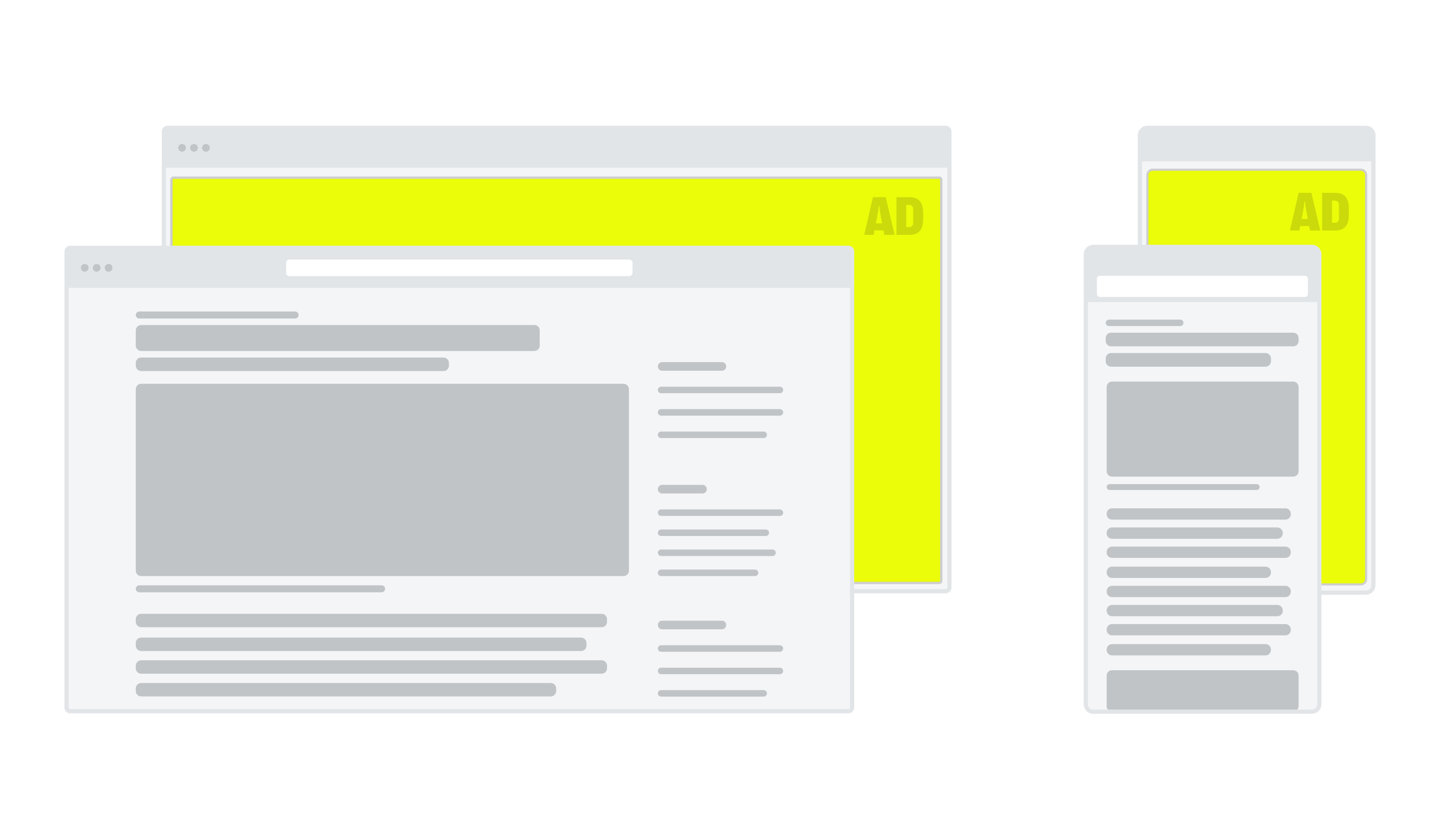
Pop-Under opens the advertiser’s landing page behind the user’s active browser window. That makes the destination page central to the experience.
For NHL campaigns, test a landing page that communicates the product and offer immediately. Make the connection to the game-day message clear, and give users an obvious next step.
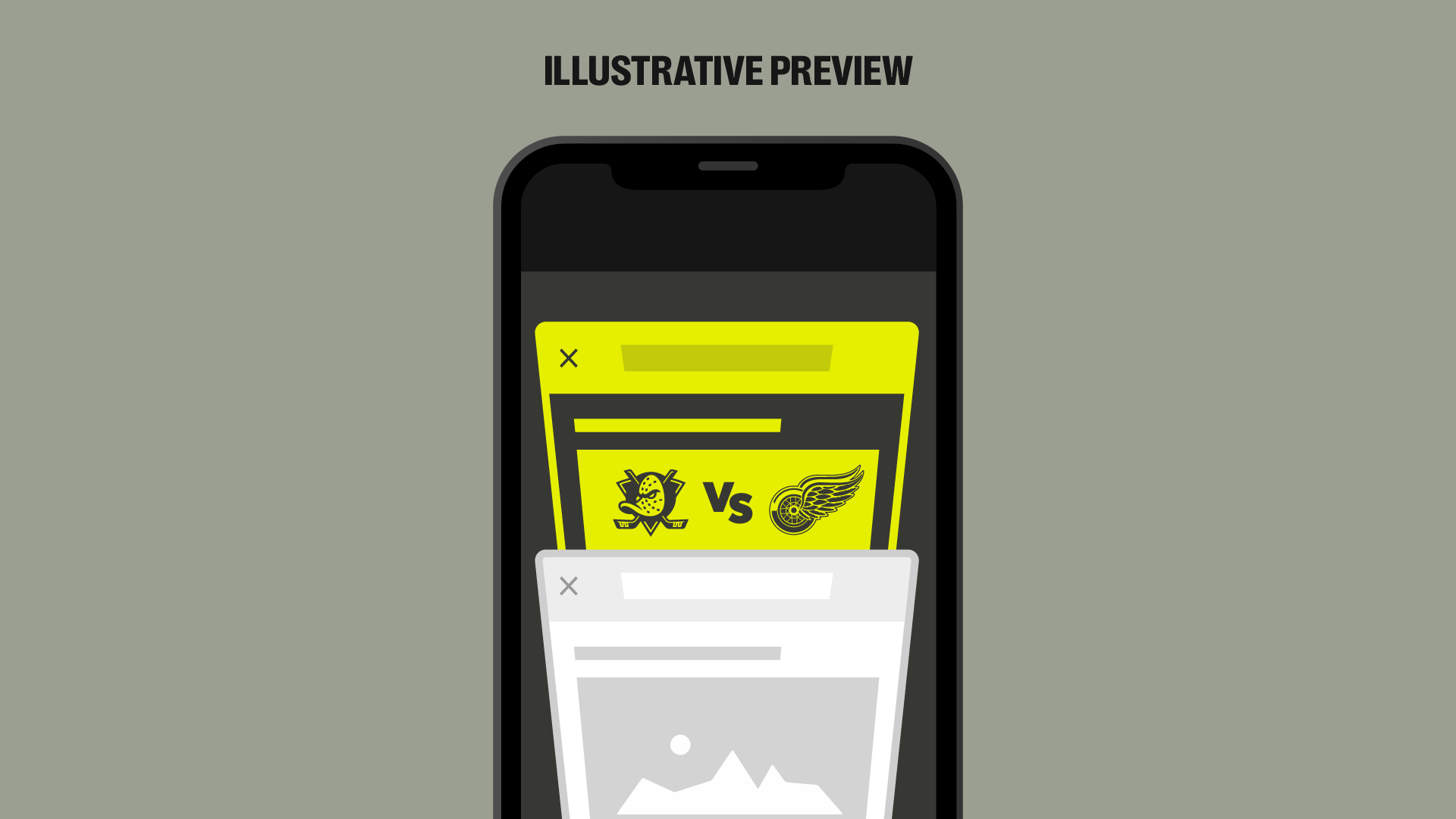
Judge results by useful actions and acquisition cost, rather than the number of visits alone.
In-Page Push
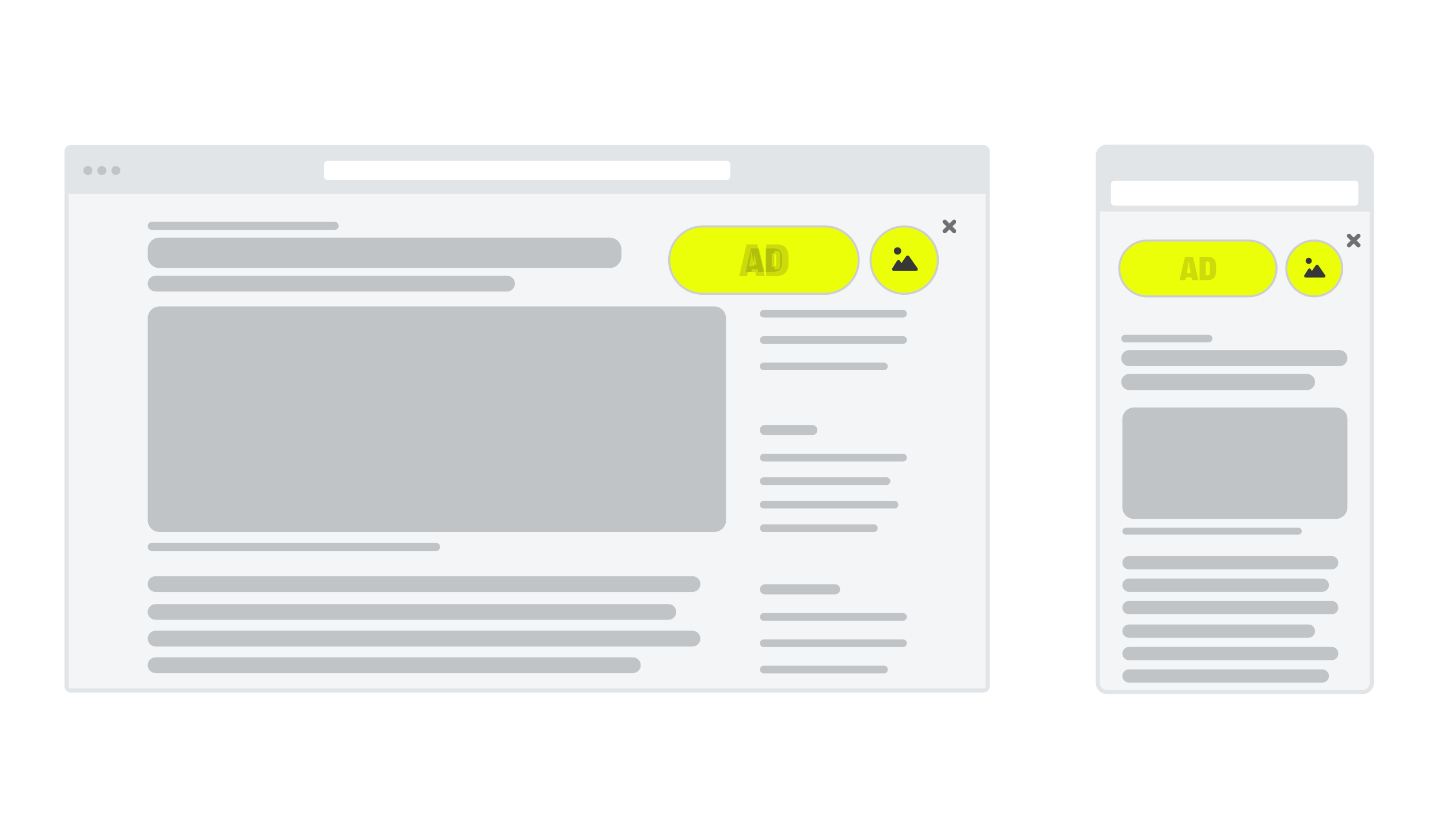
In-Page Push uses a notification-style design within the webpage and does not require a traditional push-notification subscription.
Use its compact space for a single message: a relevant offer, a clear benefit, or a genuine countdown.
Remember what the format is. It is an on-page advertisement, not a notification sent to someone’s device whenever a goal is scored.
Interstitial
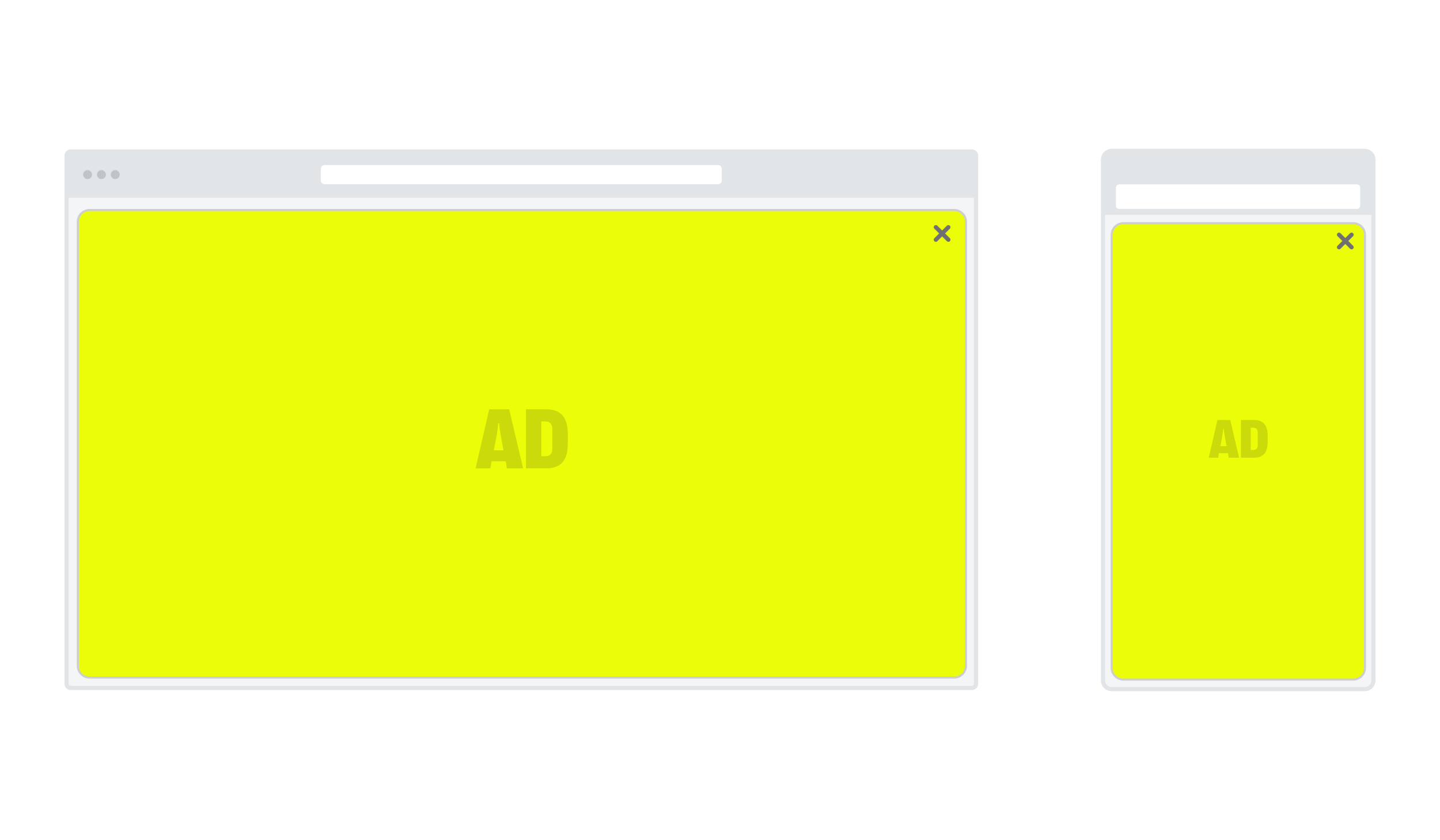
Interstitial ads provide a prominent placement during browsing transitions.
Test a strong visual, one headline, and one call to action. This is a useful format to evaluate when the offer benefits from more space than a compact placement provides.
Keep frequency under review, and compare conversions with the extra visibility you are buying.
Video Ads
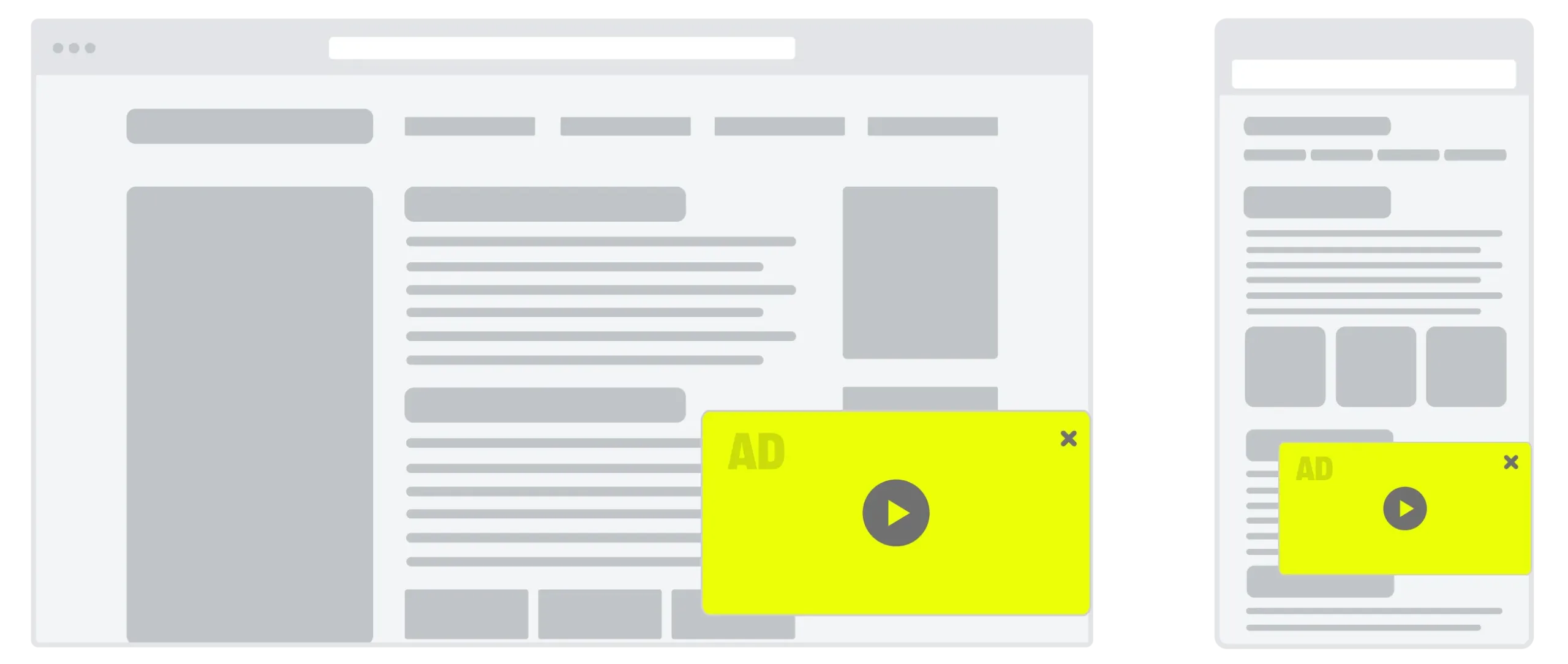
Adcash offers Pre-Roll and Video Slider formats. Pre-Roll appears before video content, while Slider appears in a small video placement at the bottom of the webpage and starts muted.
For NHL-themed campaigns, test a quick product demonstration, a game-night setup, or a clear visual explanation of the offer.
Put the product benefit early. Use on-screen text so the message works without sound. A slow logo reveal is probably not the most useful opening move.
What to Promote During the NHL Advertising Season
The strongest connection is between the audience’s immediate interest and a product that genuinely fits it.
Sports Betting and Fantasy Products
For eligible offers, build around the upcoming matchup, relevant product features, or the practical value of following the season.
Keep event details and promotions current. A campaign referring to yesterday’s game needs an update, not another budget increase.
Before launching betting campaigns, confirm the applicable licensing, advertising, and audience restrictions for the jurisdictions you are targeting.
Streaming and Digital Services
For authorized streaming products, lead with the coverage your service actually provides in the target market.
For other digital services, make the product connection clear: useful features, privacy, connectivity, or a better entertainment setup. Keep claims specific and accurate.
eCommerce
Test game-night offers for products such as home-entertainment equipment, audio accessories, apparel, and licensed merchandise.
Use a real commercial reason to act: a relevant product bundle, an actual discount, or a genuine delivery deadline. “Hockey is happening” gives you a theme. The NHL advertising offer still needs to do the selling.
Sports Media and Entertainment
For score services, sports publications, analysis products, or entertainment subscriptions, advertise the specific experience the user will get.
“Follow tonight’s scores” is more concrete than “Discover our platform.”
“Get the morning game breakdown” tells the audience what comes next. For NHL advertising, remember to lead with the useful part.
Payment Models
Choose your bidding approach according to the action you want, the tracking you have, and how much control you need.
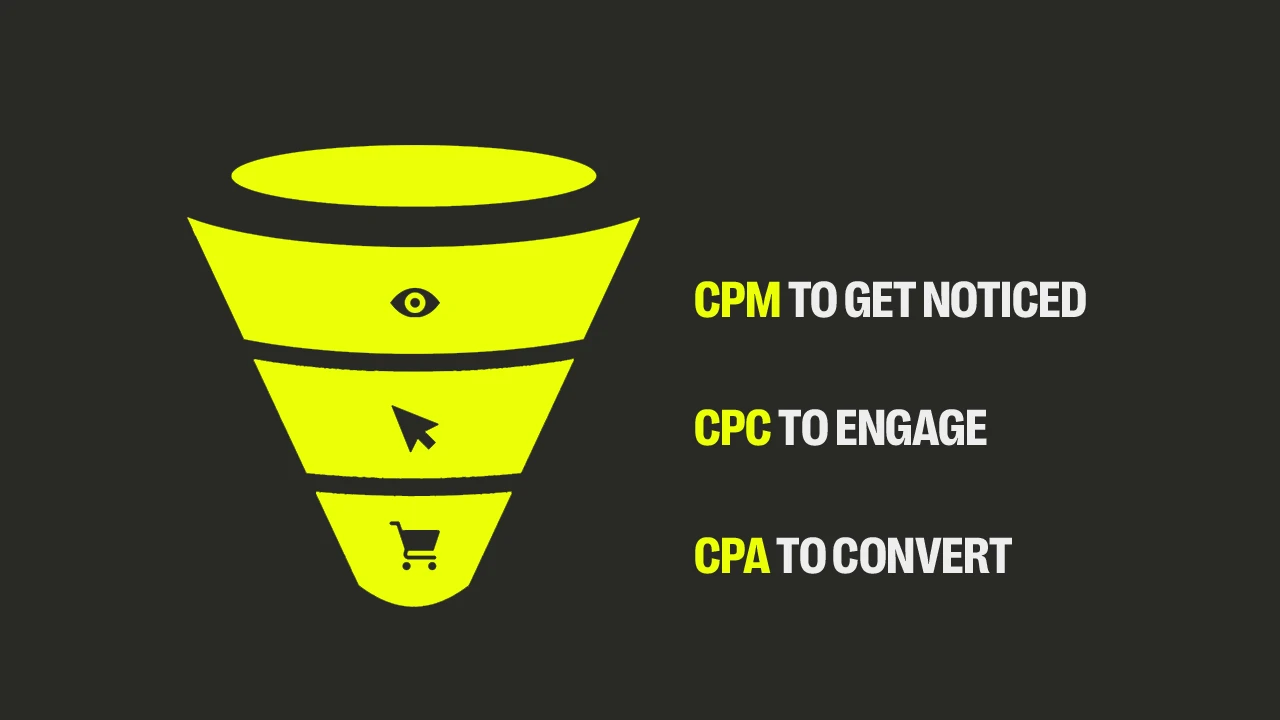
CPA Target: Optimize Toward a Conversion Goal
With CPA Target, you set a desired acquisition cost and a conversion goal. Adcash’s system uses traffic-performance data to adjust bids and identify suitable segments. Working conversion tracking is essential.
This is an option to test for measurable outcomes such as registrations, subscriptions, or purchases.
Allow room for learning. Adcash describes a learning phase during which observed acquisition costs can exceed the target. The target is an optimization goal, not a guaranteed final cost.
That is another reason to prepare before a major fixture.
CPC: Pay for the Click
CPC charges per click. Use it where available when you want to test how effectively a creative sends users to your landing page. CPC is not available for Pop-Under campaigns.
Keep evaluating what happens after the click. A creative that generates inexpensive visits may still be a poor use of budget if those visitors do not take the action you need.
CPM: Control Your Impression Bids
CPM charges per thousand impressions. Adcash’s Quality Tier Bidding lets you set separate CPM bids across three traffic-quality tiers within a country or region.
Use the extra control to test where a higher bid is justified by the results.
Automatically doubling or tripling bids because a big game is coming is not a strategy. Increase spend where the traffic, conversion value, and acquisition cost support it.
How to Structure Your NHL Advertising Campaigns
Build a setup that makes it easy to learn and adjust without creating unnecessary complexity.
Keep a Core Campaign and Add Event-Specific Tests
Maintain a core campaign for your ongoing offer, then add separate event campaigns when the market, message, or budget genuinely needs to change.
A localized Global Series promotion may justify its own campaign. A new headline for the same audience may only need another creative variation.
Avoid splitting every team, device, country, and game into a tiny campaign before you have enough data to evaluate them.
Reserve Budget for Proven Opportunities
Set an initial testing budget and decide what evidence would justify increasing it.
That might include acceptable acquisition costs, valuable conversions, and sufficient traffic to support more delivery. Keep some flexibility for important fixtures, but make scaling a response to performance rather than excitement.
Adcash’s Performance Tab provides reporting by dimensions including GEO, creative, zone, source, operating system, and browser, with conversion and revenue metrics where configured. Use those breakdowns to find what is driving results.
Refresh the Message as the Season Develops
Plan reviews around clear stages: opening week, the early regular season, major events, and the run toward the playoffs.
Check whether the offer is still valid, the matchup is still relevant, and the creative still reflects what you are promoting.
Retire expired countdowns promptly. Keep the successful product proposition, but update the reason to pay attention.
Measure the Outcome You Actually Need
For an acquisition campaign, use qualified conversions and acquisition cost as the main decision points.
For eCommerce, connect spend to purchase value and your margin requirements. For subscriptions, evaluate the value of acquired customers rather than celebrating registrations in isolation.
Traffic is the beginning of the transaction. Your reporting should follow it further.
Publishers: Prepare Your NHL Monetization Setup
For website owners, use the lead-up to major fixtures to check mobile performance, placements, and the overall browsing experience.
Adcash Autotag 4-in-1 combines Pop-Under, Interstitial, In-Page Push, and Video Slider through one integration. It automatically rotates formats using engagement data, with controls for your monetization goal.
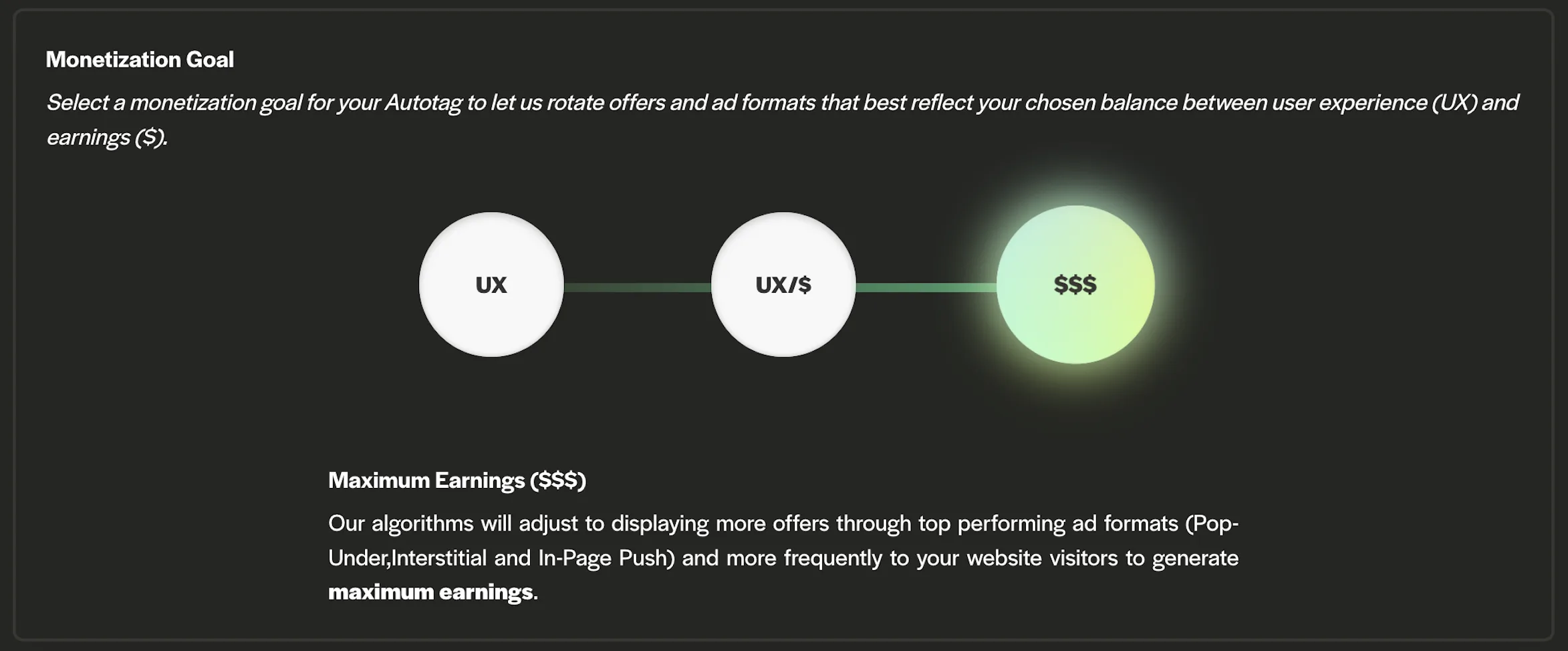
Test the setup before your busiest periods, then review earnings alongside engagement. The aim is a useful balance between revenue today and an experience that gives visitors a reason to return.
Conclusion
Build your NHL advertising strategy around the season’s actual opportunities rather than running one opening-week creative until spring.
Start with focused market tests. Prepare for the fixtures that fit your offer. Make the creative relevant, the landing page useful, and the conversion path measurable. Then move budget toward what performs.
The schedule gives you the moments. Your campaign needs to give people a reason to act.
Explore the Adcash Sports Calendar for more campaign-planning opportunities.
Share

Brandon Povilaitis
Global Content Manager, Adcash
Whether it’s a word or a frame, I’ll make it hit where it counts. When there’s a story worth telling – on pages, screens, or anywhere in between. From the rhythm of a killer script to the design detail that makes it all pop, I’ve got the eye, the pen, and the touch.