
Honey, I Scammed The Internet: A Deep Dive Into the PayPal Honey Scam
Honey’s fall from grace has moved well beyond internet controversy.
What began with MegaLag’s investigation into how PayPal Honey operated inside the affiliate marketing ecosystem has now developed into lawsuits, investigations and enforcement action from major affiliate networks. On August 11, 2026, MegaLag released the latest installment of the investigation, Honey Gets Terminated as Lawsuits Proceed.
The central allegation remains a serious one for anyone working in affiliate marketing: Honey could insert itself near the end of a customer’s journey and replace an existing affiliate attribution with its own, potentially redirecting commission away from the publisher or creator who originally drove the customer to the merchant.
And since the allegations first surfaced, the consequences have become much more tangible. Rakuten Advertising terminated Honey from its network, impact.com suspended it following a compliance investigation, Awin confirmed breaches of its publisher policies, and a major lawsuit brought by affiliate marketers against PayPal is continuing through federal court.
For publishers, advertisers and affiliate networks, this is no longer just a story about one controversial browser extension. It is a case study in what can happen when attribution, transparency and control over the affiliate journey break down.
Here’s what happened, why it matters, and what the affiliate industry can learn from it.
The Recap
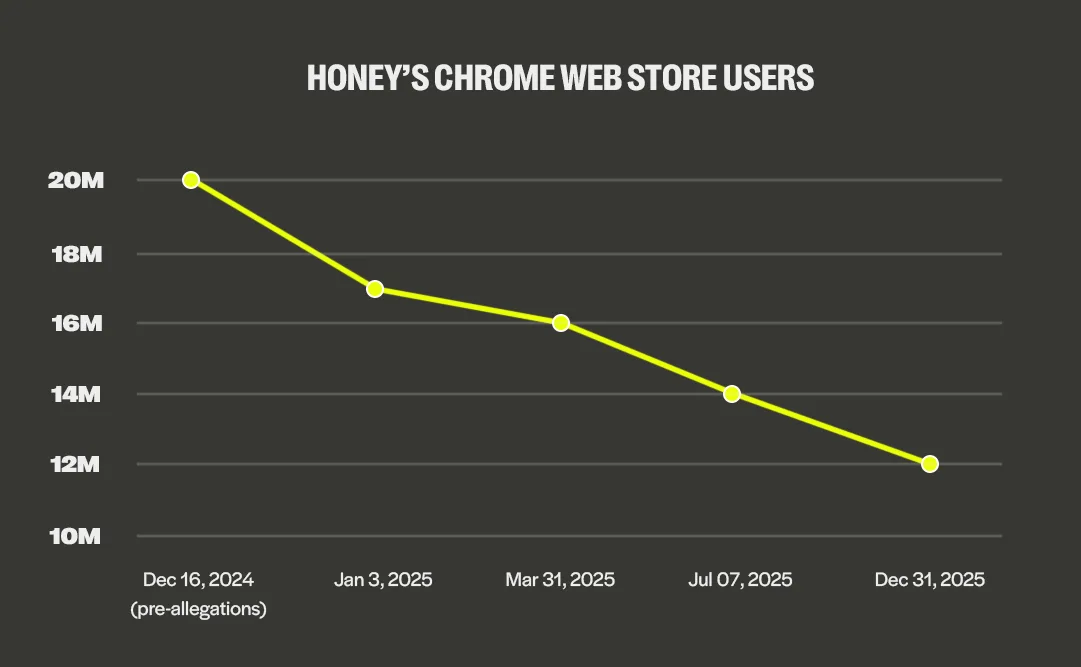
At its peak, Honey was one of the biggest shopping extensions on the internet, with more than 20 million Chrome users. It promised to search the web for coupon codes and automatically help shoppers find savings at checkout.
That audience has since fallen considerably. The controversy began when YouTuber and investigative journalist MegaLag started digging into how Honey worked behind the scenes.
His investigation raised several allegations about the extension, including that Honey:
- did not always surface the best coupon available to shoppers
- could surface coupon codes that were not intended for unrestricted public distribution
- could overwrite an existing publisher’s affiliate attribution when a shopper interacted with Honey
- could receive affiliate credit even though another publisher originally introduced the customer to the product
- allegedly changed its behaviour depending on whether it believed the user might be testing it for compliance
That final point became particularly significant.
Researcher Ben Edelman examined Honey’s code and reported that the extension used several signals to determine whether a user might be a tester, including account age, rewards history and cookies associated with affiliate-industry platforms. According to Edelman’s analysis, Honey could respect stand-down requirements when it suspected scrutiny while behaving differently for ordinary users.
That turned the Honey story from an argument about the fairness of last-click attribution into a much larger discussion about affiliate compliance.
PayPal Honey Controversy Cheat Sheet
Last Click Attribution (Last Click Wins) – A tracking method where the final affiliate link clicked before a purchase gets 100% of the credit (and usually the commission).
Cookie Window – The set amount of time after someone clicks an affiliate link during which a purchase can still be credited to that affiliate.
Affiliate Network – A platform that connects publishers and advertisers and handles tracking, reporting, and commission payments.
Publisher – The website, creator, or media partner that promotes a product and earns commission when their audience buys.
Merchant/Advertiser – The brand or retailer selling the product and paying commission to affiliates for driving sales.
Coupon Sites – Affiliate sites focused on offering promo codes and discounts, usually targeting shoppers right before checkout.
Toolbars/Extensions – Browser add-ons (like Honey) that pop up while shopping online to apply coupons or suggest deals automatically.
Stand-Down Rules – Rules that stop coupon/loyalty partners from claiming commission when another affiliate already drove the customer to the sale.
Overwriting – When one affiliate replaces another affiliate’s tracking just before purchase and takes the commission for the same sale.
Incrementality – A measurement of whether an affiliate actually created a new sale or just took credit for a sale that would’ve happened anyway.
Why It’s A Big Deal For Publishers
Many publishers, particularly those covering e-commerce, monetize content including:
- product reviews
- buying guides
- gift guides
- comparisons
- affiliate-driven recommendation pages
And many publisher-brand partnerships also include exclusive voucher codes.
Those codes are valuable because they are intended to be controlled and measurable. A publisher promotes a product, sends customers to the advertiser and receives credit for the conversions it generates.
At least, that’s how the relationship is supposed to work.
The Controversy
MegaLag’s reporting suggested that Honey could surface codes that were never intended to be distributed freely to Honey users.
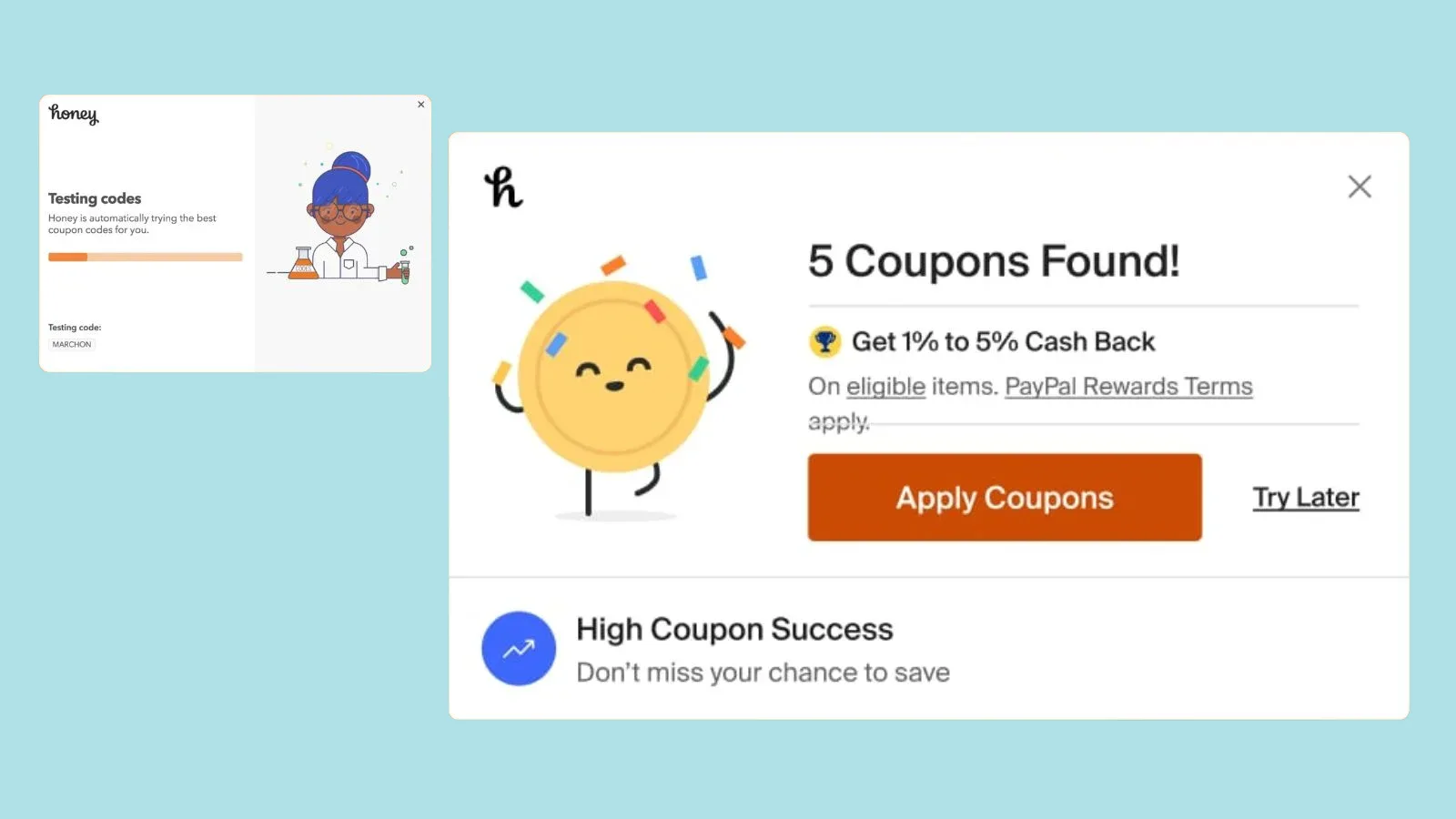
But coupon leakage is only part of the issue.
The bigger concern for publishers is what happens to attribution once a customer reaches checkout.
A publisher can spend hours creating a review, ranking in search results, building an audience or convincing someone that a particular product is worth buying. But if another piece of software can appear immediately before checkout and become the final attributed affiliate, the publisher that created the demand may not necessarily receive credit for the sale.
That exposes one of affiliate marketing’s biggest structural vulnerabilities:
Creating the demand does not always mean receiving the attribution.
The Effect of Last Click Attribution
Last-click attribution is widely used across affiliate marketing. In fact, the federal court handling the Honey litigation describes it as the most commonly used attribution method and an industry standard. The problem is how that system can be used.
Imagine someone reads a publisher’s detailed product review, clicks its affiliate link and decides to purchase the product. Under normal last-click attribution, that publisher could receive the commission.
Now imagine that, seconds before checkout, a browser extension appears. The shopper interacts with it, the extension inserts its own affiliate identifier, and the sale is now attributed to the extension instead.
Nothing about the product recommendation changed.
Nothing about who created the demand changed.
But the attribution did.
That is the central issue behind the Honey controversy and the lawsuits surrounding it.
PayPal disputes allegations of wrongdoing and has previously maintained that Honey follows industry practices, including last-click attribution.
The plaintiffs argue that the problem is not last-click attribution itself, but the way Honey allegedly inserted itself into transactions and displaced attribution that otherwise would have remained with the referring affiliate. The court has not made a final ruling on liability.
If you want the deeper breakdown, check out our guide to last-click attribution and other attribution models.
Stand-Down Policy Is The Answer… Right?
This is where stand-down rules become important.
Affiliate networks can require browser extensions and similar partners to stand down when another publisher has already referred the customer.
The logic is straightforward. If a publisher sends someone to a merchant, and a shopping extension later appears during checkout, the extension should not automatically overwrite the publisher responsible for the referral. MegaLag and researcher Ben Edelman reported evidence suggesting that Honey did not always follow those rules.
More significantly, their investigation alleged that Honey could determine whether a user looked like someone testing the extension for compliance.
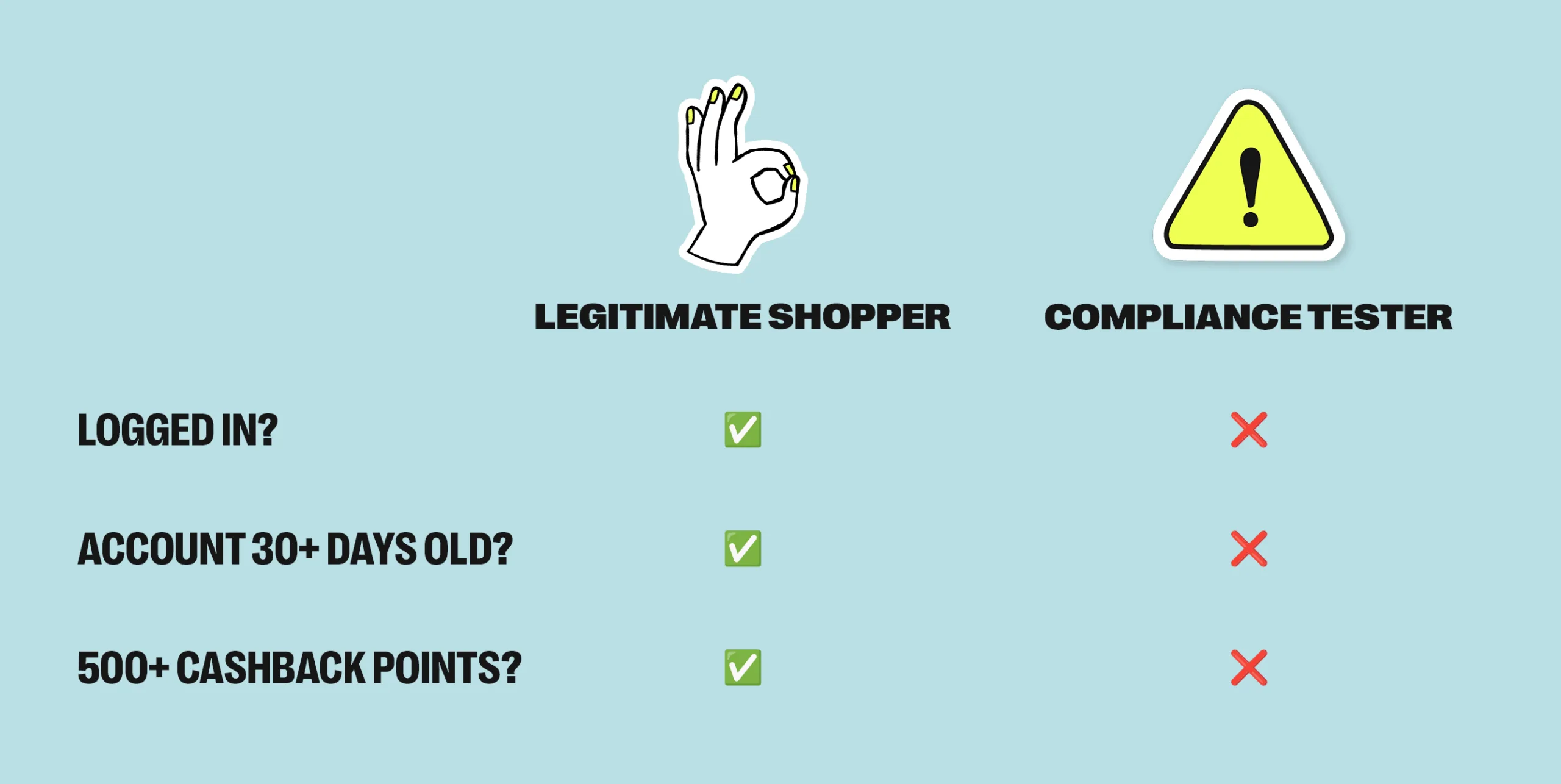
Edelman reported four signals Honey could use, including whether an account was new, how many Honey rewards points it had accumulated, information supplied by a server-side system, and whether the browser contained cookies associated with affiliate-network dashboards.
If Honey detected a signal suggesting the user could be a tester, it would allegedly respect stand-down rules. If those signals were absent, Edelman reported that the extension could behave differently.
That discovery had consequences.
Then the Networks Started Acting
On January 12, 2026, Rakuten Advertising terminated Honey from its affiliate network. Reports at the time estimated that the decision cut Honey off from roughly 2,000 merchant programs on Rakuten’s network.
Four days later, impact.com announced that Honey had been removed from its Discovery Marketplace and temporarily suspended following an investigation. impact.com said its investigation found that Honey had violated policies relating to attribution and its universal stand-down requirements.
Then, on January 21, Awin published the results of its own investigation and said it had confirmed breaches of its publisher policies. Awin suspended payments to Honey and restricted access to new advertiser programmes while pursuing a remediation process.
So the Honey story is no longer based solely on the findings of one YouTuber.
Major companies operating the affiliate infrastructure itself have since taken action.
And the Lawsuits Are Still Moving
Another major development since January is the legal case against PayPal.
Creators and affiliate marketers originally sued PayPal over Honey’s alleged affiliate attribution practices. The first amended complaint suffered a major setback in November 2025 when a federal judge dismissed it, finding that the plaintiffs had not sufficiently established that they were contractually entitled to the commissions they claimed to have lost.
But the court allowed them to amend their case.
They did.
Then, on June 22, 2026, U.S. District Judge Beth Labson Freeman denied PayPal’s motion to dismiss the plaintiffs’ second amended complaint. That means the main affiliate-marketer case is proceeding rather than being thrown out at the pleading stage.
That distinction matters.
It does not mean a court has ruled that Honey committed fraud or that PayPal is liable.
It means the plaintiffs have now pleaded enough for their claims to continue through the legal process.
For an affiliate industry that spent much of 2025 debating whether Honey’s behaviour was simply an aggressive interpretation of last-click attribution, that is an important development.
What Can Publishers Do?
The Honey case exposes a problem that extends beyond one browser extension. Publishers cannot necessarily control what happens during every stage of a customer’s journey. But they can make it much harder for attribution problems to go unnoticed.
Audit Affiliate performance regularly
Regularly review affiliate performance rather than treating reported conversions as a complete picture of customer behaviour.
Look for unusual changes in:
- conversion rates
- attribution
- commission revenue
- performance following traffic spikes
- differences between clicks and recorded sales
A sudden mismatch does not automatically mean someone is hijacking attribution, but unexplained patterns deserve investigation.
Look beyond Last Click
Last-click attribution is simple, but it only tells you who received the final credit.
It does not necessarily tell you who created the demand.
Publishers and advertisers should increasingly compare last-click reporting with other signals, including first-party analytics, referral data, customer journey information and other attribution models where available.
The goal is not necessarily to abandon last click.
It is to understand what happened before it.
Strategic use of coupon codes
Codes are powerful, but they are also fragile.
Once an exclusive coupon reaches systems outside your control, maintaining that exclusivity becomes difficult.
Publishers relying heavily on coupon partnerships should build alternative monetization paths, including:
- evergreen affiliate content that converts without a discount
- tracked creator or publisher-specific codes
- first-party email campaigns
- direct advertiser partnerships
- server-side or otherwise more robust attribution where available
The key is avoiding a situation where one checkout interaction can determine the economics of an entire customer journey.
Negotiate better tracking agreements
If a brand offers an affiliate or voucher partnership, publishers should understand exactly how attribution works.
That means discussing:
- code exclusivity
- attribution windows
- browser-extension policies
- stand-down rules
- reporting transparency
- treatment of overwritten referrals
- what happens when multiple affiliates participate in a conversion
Affiliate tracking should not be a mysterious technical system that publishers only investigate after revenue disappears.
Diversify Revenue
Perhaps the simplest lesson from Honey is that publishers should avoid depending entirely on a single attribution mechanism.
Affiliate marketing can be highly effective, but publishers with multiple revenue streams are less exposed when platforms, policies or tracking systems change.
What the Honey Case Really Shows
When this story first broke, it was easy to see it as another internet exposé. By August 2026, that description no longer captures what has happened.
Honey has gone from more than 20 million Chrome users to around 12 million. Rakuten terminated it from its affiliate network. impact.com suspended it following a compliance investigation. Awin confirmed publisher-policy breaches. And the main affiliate-marketer lawsuit against PayPal survived another attempt to have it dismissed in June.
The legal questions are still unresolved, and PayPal continues to dispute allegations of wrongdoing. But the industry lesson does not require waiting for a final court judgment.
Publishers can create demand and still lose attribution at the final stage of the customer journey.
That makes transparency around tracking, stand-down rules and attribution more than an operational detail. It directly affects how revenue is distributed across the open internet.
Publishers should know how their conversions are attributed. Advertisers should know which partners are genuinely creating incremental value. And affiliate networks need systems that can distinguish between creating a sale and simply appearing immediately before one.
Because if your entire attribution model depends on the last few seconds before checkout, those last few seconds are worth protecting.
Share

Peter Howarth
Content Writer, Adcash
Good writing should feel like a conversation, not a lecture. I obsess over word choice so you don’t have to.