
LATAM Traffic: A Regional Guide to World Cup Traffic
LATAM traffic refers to users across Latin American markets such as Mexico, Brazil, Argentina, Chile, and Colombia. For publishers, the region offers engaged mobile-first audiences. For advertisers, it offers growing campaign opportunities across sports, entertainment, iGaming, finance, and streaming.
For the last decade, LATAM has been the industry’s quiet performer. Strong traffic, growing audiences, decent returns. Never the headline. 2026 called to say that’s all changing.
The World Cup is in North America this year, and LATAM is stepping into the spotlight with it. Mexico is co-hosting the World Cup. Advertiser budgets are flowing into the region faster than into most developed markets. LATAM digital ad spend is expected to reach $50.1 billion in 2026. Media revenues should grow 10.7% year over year. This growth is nearly four points higher than in the US. Mobile-first behavior is the norm, with around 84% of LATAM e-commerce now happening on smartphones. Audiences for entertainment, sports, and news content sit on long sessions and engage deeply.
This guide is for two groups. Publishers running LATAM traffic who want to earn more from it, and advertisers trying to figure out where their spend will pay off. You may get your own section, but there’s valuable information throughout the guide. No skipping!
Why LATAM Traffic Matters Now
The region has always been mobile-first. The industry has finally understood what that means for revenue. Sessions are long. Engagement is deep. Audiences here treat content as a daily habit, not a quick browse. That behavior pays off when the setup is right.
Advertiser demand has followed. Betting operators, finance apps, streaming platforms, and eCommerce brands are pushing serious budget into LATAM. The World Cup speeds it up, but the trend was already there. Once the tournament is over, the spending continues.
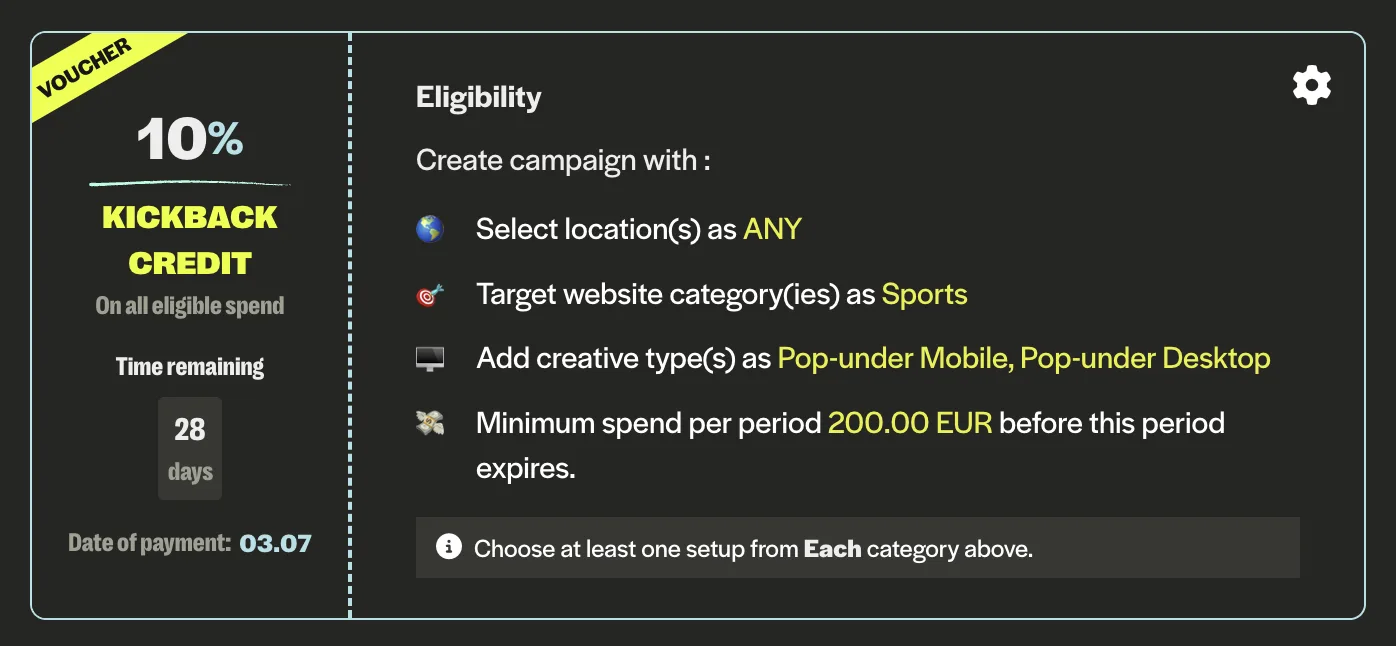
Here at Adcash, we’re getting prepped for the FIFA World Cup, and we hope you are too. We think the biggest sporting event in years deserves some extra hype, so we’re giving your campaigns a winning boost with a kickback voucher of 10%!
To be eligible, you must be running a sports campaign with pop-under (both mobile and desktop). Min-max spend must be between $200 and $50,000, meaning a potential return of $5000! For your 10% back, use code WORLDCUP26.
How Publishers Can Monetize LATAM Traffic
LATAM traffic pays off for publishers who monetize properly.
The sessions are long. Entertainment publishers see audiences that come back daily. Sports traffic spikes during matches and stays high for hours after. News audiences move fast, but the volume is serious. Your format strategy has to match how people behave, not where they are.

The best-performing set-ups go for a format mix. For example, in-page push and video sliders, or display ads plus pop-unders. Display ads earn steadily across long sessions because users keep seeing them. Pop-unders pay off after the session ends, appearing once the user is done. Our LATAM publisher case study backs this up. A Spanish-language entertainment site using this exact format mix earned over $1,296 in one month. It had over one million unique users and a steady RPM each week. The format mix and ad placement strategy were the reasons.

Placement discipline matters as much as format choice. Crowding all your ads into one section of the page wastes traffic. Spreading ads across the page lifts performance without overwhelming users. Publishers who take the time to think about ad placements are always going to be rewarded with better results.
One thing worth noting: Spain often appears alongside LATAM publisher traffic. It is the highest-paying part of that audience. In our data, Spain reached a $4.60 RPM on entertainment traffic. This is well above what most publishers expect from Spanish-language content. If you run Spanish content for LATAM, you may also earn Tier 1 European RPMs. Don’t ignore it.
Verticals matter too. Entertainment, news, sports, and streaming all do well in the region. During major sports events, iGaming and betting affiliate content performs best. A news site shouldn’t run the same format mix as a streaming portal. Different audience behavior and different session lengths mean different formats that work.
Best LATAM GEOs for Advertisers
The World Cup is the biggest driver of advertiser activity in LATAM this year. It’s reshaping where budgets are going across the region. Tournament spending concentrates around the markets either hosting or competing.
Outside the tournament, those same GEOs still dominate. During the tournament, they’re in a league of their own. These are the five markets where the spend is heading, both during the tournament and through the rest of the year.
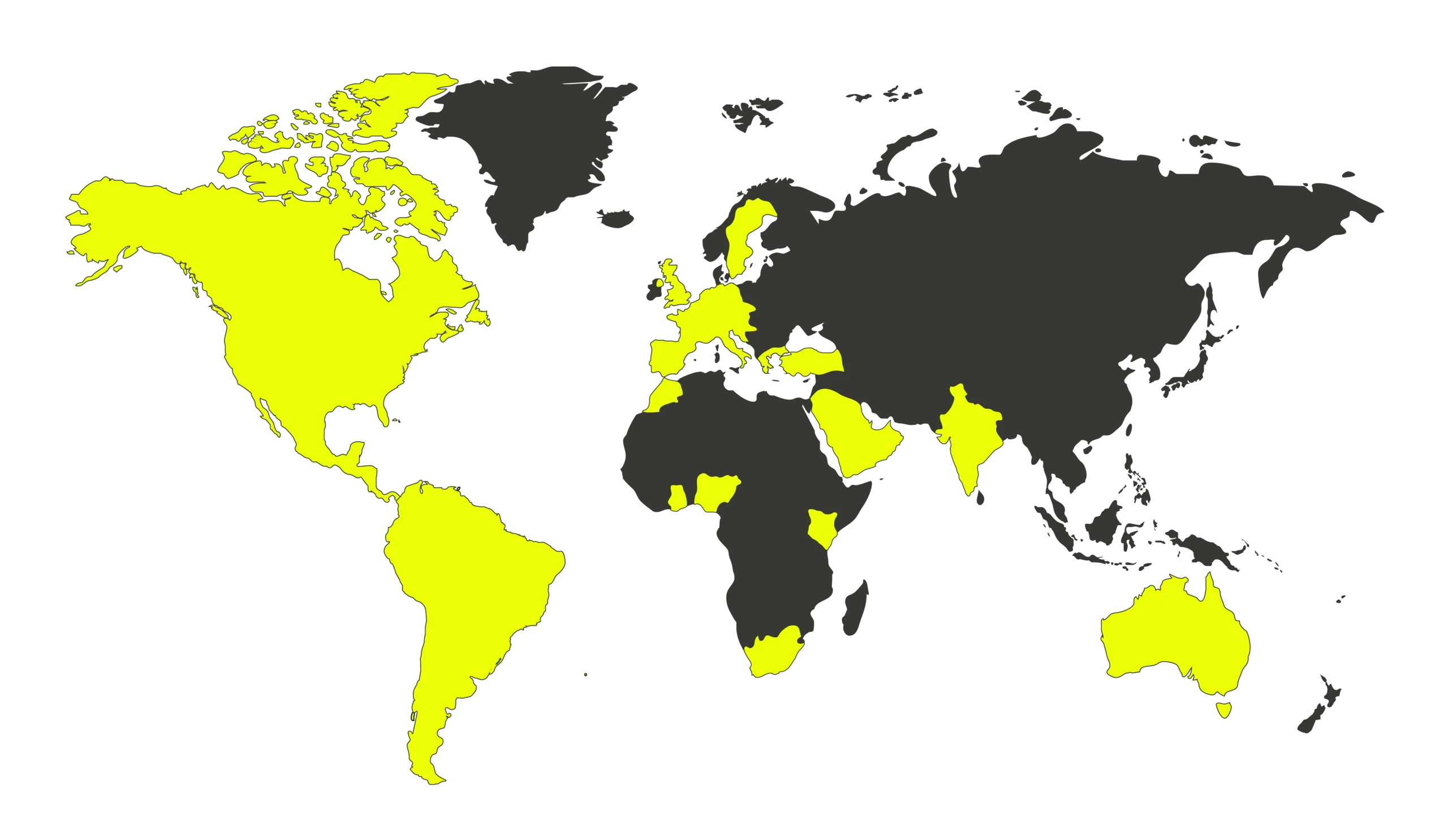
Mexico. The biggest LATAM market by population, and the only country in the world hosting a third World Cup. Domestic brands are pushing hard during home games. US advertisers are running cross-border campaigns to reach Mexican-American audiences.
Spend won’t slow down after the tournament either. Expect strong performance across sports, betting, e-commerce, and finance verticals. Mobile dominates here, so creatives need to be built for it.
Brazil. No country engages with content the way Brazil does. Football culture runs deeper here than anywhere else, and mobile-first behavior is the norm. Advertiser interest spans betting, e-commerce, and VOD.
Portuguese-language content has its own competitive space. That’s both a barrier and an opportunity, depending on how you approach it. Brazil rewards advertisers who localize properly.
Argentina. Being the defending champions changes the engagement during the tournament in ways most advertisers underestimate. CPMs are lower than neighbours like Brazil, but engagement makes up for it. Especially during major sports moments.
A strong market for betting, fantasy apps, and entertainment verticals. Creative quality matters more here than in markets where the audience is easier to win.
Chile. Smaller market, but RPMs are consistently higher than most advertisers expect from LATAM. Our publisher data shows Chile at $3.62 RPM for Spanish entertainment traffic, well above the regional baseline. It’s especially strong for premium verticals like finance, VOD, and travel.
Chile rewards advertisers who treat it as its own market, not part of a generic South America group. The audience has more disposable income than most of the region. This is why premium verticals work well here.
Colombia. One of the strongest growth markets in the region right now. Advertiser interest from iGaming, finance, and entertainment is at a high, and audience engagement backs it up.
Add competitive CPMs to that picture, and Colombia becomes the strongest value market in LATAM. Advertisers get serious reach and engagement without paying the premiums you’d see in Mexico or Brazil.
| GEO | Best For... | Notes |
|---|---|---|
| Mexico | Sports, betting, ecommerce, finance | World Cup host market |
| Brazil | Betting, ecommerce, VOD | Strong football culture |
| Argentina | Betting, fantasy sports, entertainment | High engagement |
| Chile | Finance, VOD, travel | Higher RPM potential |
| Colombia | iGaming, finance, entertainment | Strong value market |
Three More GEOs to Keep on the Radar for The World Cup
LATAM should be a huge focus, but the World Cup is a global event. There are tons of non-LATAM markets that advertisers and publishers shouldn’t sleep on during the tournament window. Here, we’ll shine a light on three of them. For the deeper tournament strategy, our World Cup 2026 mega guide has the full breakdown.
Spain. Already mentioned in the publisher section, but worth a second look from the advertiser side. Spain is the favorite to win the tournament. The squad is deep, and the audience will stay engaged from start to finish.
Tier 1 European RPMs, Spanish-language overlap with LATAM creatives, and a market that consistently delivers premium returns. The easiest non-LATAM addition for anyone already running Spanish-language campaigns.
Nigeria. One of Africa’s largest football markets is mobile-first and underserved by both publishers and advertisers. Nigeria didn’t qualify, but that barely matters during a World Cup.
African audiences engage with the tournament as a continent, and Nigeria has the volume to back that up. Advertiser interest from iGaming, finance, and mobile-first verticals is climbing fast. Lower CPMs than LATAM markets, but the trajectory is steep, and the competition is light.
Saudi Arabia. The premium play. Saudi Arabia has invested a lot of money in football over the past few years. The country is set to host the 2034 tournament. Advertiser demand is real and growing fast.
The Arabic-language content space is underserved. That means publishers who localize can earn higher RPMs with less competition than in most markets listed here. Saudi qualified too, which adds national team engagement to an already active market.
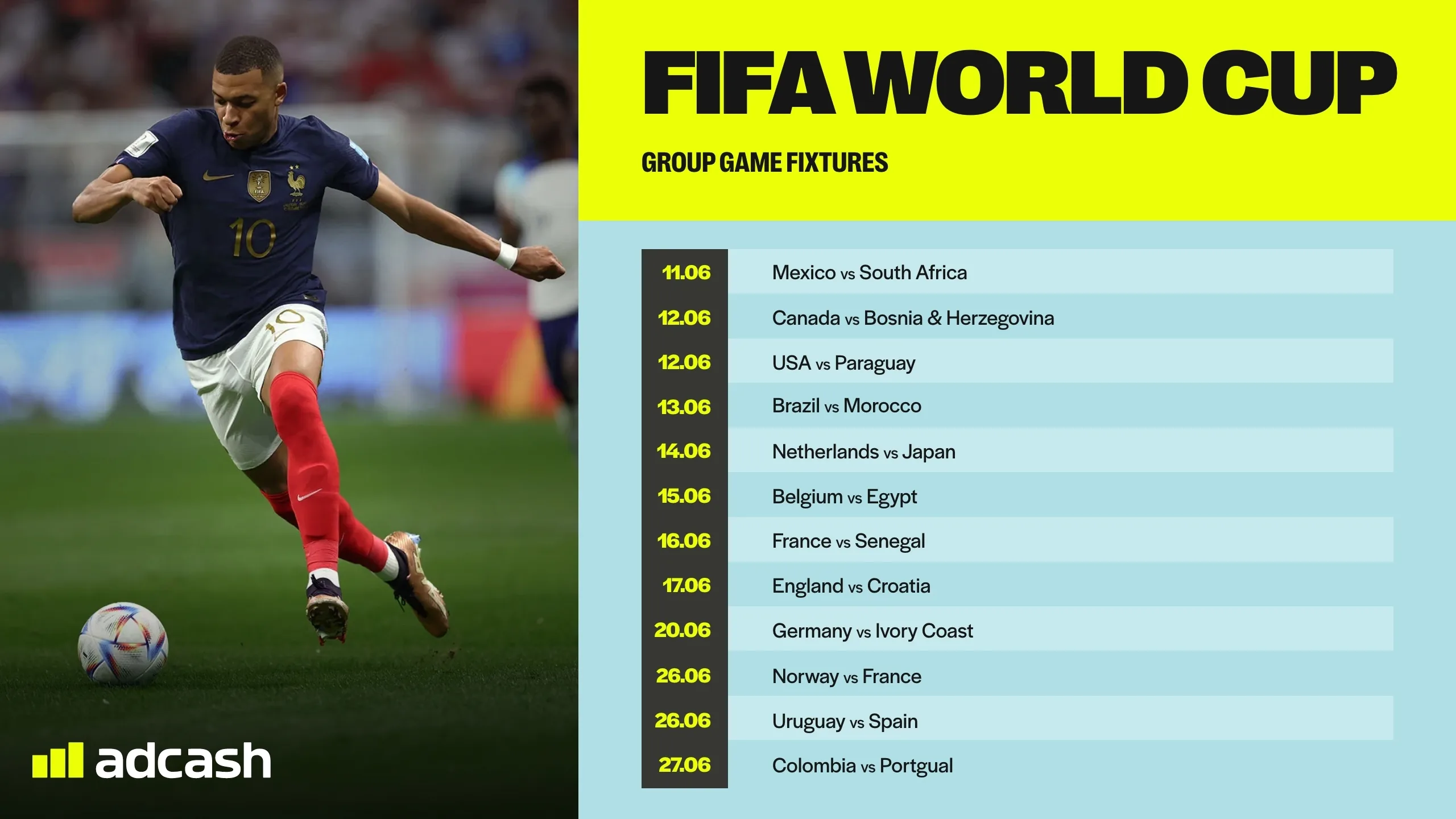
Stay aware of when the fixtures are with our sports calendar, so you know when to up your spend, and where.
Verticals That Deliver in LATAM
A few verticals consistently perform across the region for both publishers and advertisers:
iGaming and sports betting are at the top, especially during major sports events. Brazil and Colombia are the strongest growth markets, with Mexico and Argentina close behind.

Finance is growing fast across the region as mobile banking adoption climbs. Strong performer in Brazil, Mexico, and Colombia in particular.
Streaming and entertainment benefit from the region’s long-session, mobile-first audiences. Entertainment publishers consistently see strong returns, and streaming advertisers find efficient spend across all five core markets.
News and media stay steady through the year and spike during sports tournaments and major events. Strong supporting vertical for advertisers building broader campaigns across the region.
Conclusion
LATAM in 2026 is the strongest case the industry has seen in years. The audiences are there, the spend is flowing in, and the trajectory is pointing up for the rest of the decade. The publishers and advertisers who treat it as a main market, not an afterthought, will come out ahead.
Get started with Adcash and put your LATAM strategy to work, and don’t forget to use code WORLDCUP26 for that 10% kickback!
FAQ
Why is LATAM traffic valuable in 2026?
LATAM is one of the fastest-growing digital ad markets in the world. Digital ad spend is forecast to hit $50.1 billion in 2026, and media revenues are growing 10.7% year-on-year, outpacing US growth. Mobile usage is high, audiences are engaged, and advertiser demand across iGaming, finance, and entertainment is climbing. The World Cup adds even more momentum to a region that was already on a strong trajectory.
Which ad formats work best for LATAM publishers?
Display ads combined with pop-unders is the format mix that consistently performs. Display ads earn steadily across long sessions because users keep seeing them. Pop-unders work after the session ends, appearing once the user is done. Our LATAM publisher case study showed this exact format mix generated over $1,296 in a single month from a Spanish-language entertainment site. Placement matters as much as format choice. Spreading ads across the page lifts performance without overwhelming users.
Which LATAM GEOs should advertisers focus on?
Mexico, Brazil, Argentina, Chile, and Colombia are the five markets where most of the advertiser spend lands. Mexico is the biggest market and a 2026 World Cup co-host. Brazil has the deepest football and entertainment engagement on the continent. Argentina brings premium attention during the tournament as the defending champions. Chile delivers higher RPMs than most advertisers expect from LATAM, with a $3.62 RPM on Spanish-language entertainment traffic. Colombia offers some of the most competitive CPMs in the region with strong audience growth.
Why does the World Cup matter for LATAM advertising?
The World Cup is the biggest driver of advertiser activity in LATAM in 2026. Tournament spend concentrates around the markets either hosting or competing, with Mexico as a co-host and four other LATAM countries qualified. Audiences engage with content for longer during match windows, advertiser budgets across betting, finance, and entertainment spike, and the post-tournament spend tends to stay rather than disappear. The tournament also lifts traffic in non-LATAM markets like Spain, Nigeria, and Saudi Arabia, which are worth keeping on the radar.
Is LATAM traffic good for publishers or advertisers?
Both. Publishers running LATAM traffic earn well with the right format mix and placement strategy, especially in entertainment, sports, news, and streaming verticals. Advertisers find a growing region with engaged audiences, competitive CPMs in markets like Colombia, and premium RPMs in markets like Chile. The region rewards anyone who treats it as a primary market rather than an afterthought, whether they’re earning from the traffic or spending into it.
Share
Learn more
Explore our resources and discover how to cultivate wisdom in an information-saturated world.