
VOD Advertising Handbook: The Ultimate Revenue Stream
In this guide, we’ll break down what VOD advertising is, how it works, best practices when setting up campaigns, and how to target the best traffic to scale results.
Everybody’s doing it. Streaming, that is.
Users are searching for video-on-demand content 24/7, seeking the newest, greatest thing, creating a unique opportunity for advertisers to reach engaged audiences. All they have to do is turn that attention into conversions.
What is VOD Advertising?
VOD advertising refers to promoting video-on-demand platforms, apps, or streaming services to users through digital ad formats across various traffic sources.
In simple terms, it’s how streaming platforms grow their audience and bring in new users.
What makes it effective is the demand behind it. People already spend hours watching content online, and that behavior isn’t slowing down. As younger, streaming-first audiences replace traditional TV viewers, the shift toward on-demand content continues to accelerate.
That means more users, more engagement, and more opportunities to convert.
How Does VOD Advertising Work?
At its core, VOD advertising is about acquiring users for your streaming platform. A typical flow looks like this:
User browses online → Sees your ad → Clicks → Lands on page → Converts.
The key is timing and placement. Ads don’t need to fight for attention the way they do on social feeds or busy websites. Choose the right site to advertise on, and the environment does half the work for you. Your job is to match the site with the right creative and a clear message. When that alignment is right, results follow.
Why is VOD Advertising Effective?
Essentially, you have a secret weapon. The shows/movies you advertise are going to do most of the work for you. After all, that’s what people are looking for.

Firstly, users will click impulsively. Maybe they saw a recommendation online or through a friend. They see that movie or series advertised – they’re going to click. Even the act of advertising new content makes people think it must be worth watching.
Secondly, although certain times of the year increase streaming traffic, VOD is popular all year round. There is always a new offering worth watching. Your service is evergreen.
Finally, we’ve become an “instant” society. If we can’t get something right now, people get put off. Offer streaming NOW, and people will buy in.
VOD Advertising Examples
These are the most common ways advertisers promote VOD platforms and drive users to their services. The goal isn’t to “sell harder.” It’s to make the transition from ad to content feel natural.
The best VOD advertising uses strong creatives, carefully selected to match the traffic. The key is to meet the user where they are, matching up with the vertical and niche of the sites you’re advertising on. So show users more of what they already want.
Content-Style Landing Pages
One of the most effective approaches is to use pages that feel like content rather than ads.
Pages like:
- “Top 10 movies to watch this weekend”
- “Best new series you shouldn’t miss.”
- “Everyone is talking about this show right now.”
These warm users up before introducing your platform. Instead of pushing immediately, you first build curiosity, then convert.
Simple, Direct Funnels
Sometimes the best-performing campaigns are the simplest. A clean page, clear value, and fast signup flow can outperform anything complicated.
If users instantly understand the following, you’re already ahead:
- What they get
- Why it’s worth it
- How to start
Visual-First Creatives
You’re promoting a visual product. Act like it. Strong campaigns use:
- Movie-style thumbnails
- Streaming-style UI visuals
- Clear CTAs like “Watch now” or “Start streaming.”
If users can picture the experience immediately, clicks come more easily.
Multi-Device Messaging
Streaming isn’t tied to one screen. Campaigns that show content across mobile, desktop, and TV reinforce flexibility and make the offer feel more real.
Seasonal and Trend-Based Angles
VOD demand spikes around moments. New releases, trending shows, weekends, colder, cozier seasons; these all influence behavior. Campaigns that tap into that feel more relevant and get better engagement.
Comparison-Style Funnels
Some users don’t convert because they’re unsure. Comparison pages help:
- Show value clearly
- Reduce hesitation
- Guide decisions without pressure
It’s simple psychology; give users just enough options, and they feel more in control. Too many, though, and they won’t choose at all – choice paralysis and streaming go hand in hand nowadays.
The best VOD advertising doesn’t interrupt the experience. Users came to watch something. So show them more of what they already want.
Best Targeting Methods for Advertising in VOD Content
Running VOD advertising without proper targeting is how budgets disappear. The environment is strong, but targeting is what makes it profitable.
Start With GEO Targeting
Not all GEOs perform the same in VOD advertising, and this is where real gains are made.
Based on current performance data, the strongest countries for VOD offers include Chile, Argentina, Panama, the Philippines, Thailand, Indonesia, and Colombia. These regions consistently show solid engagement and conversion potential, especially when paired with the right creatives and funnels.
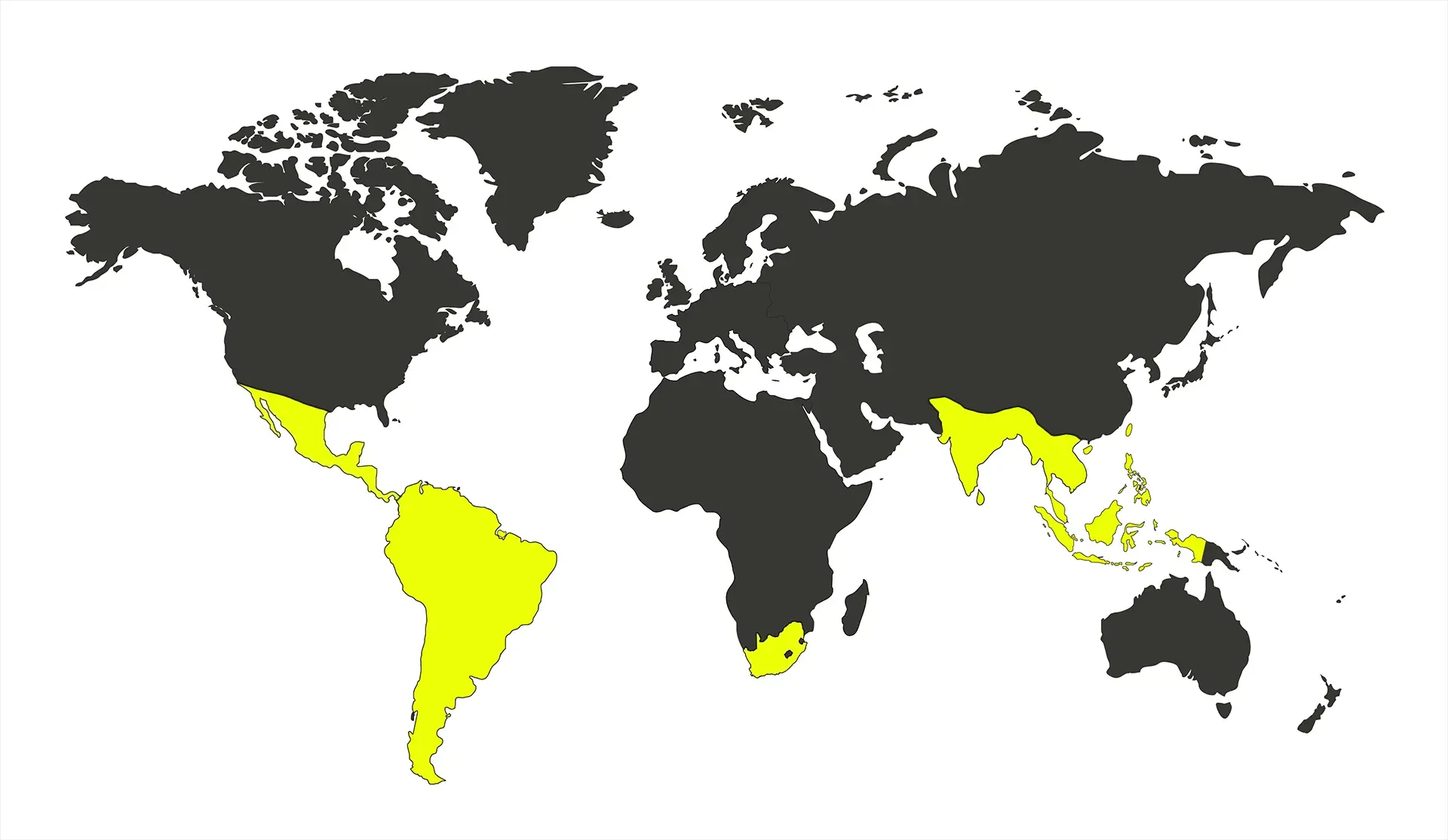
What’s interesting is that performance isn’t limited to just one type of market. You’re seeing both high-value Tier 1 GEOs and high-volume emerging markets delivering results. That mix gives you room to test, scale, and balance cost versus return.
There’s also a second layer worth paying attention to.
Countries like South Africa, India, and the GCC countries are also showing strong traffic volumes within Movies & TV and sports-related content. With the right offers, these primed-to-stream GEOs have clear potential to perform.
Choose the Right Pricing Model
Your pricing model shapes how you test and how fast you learn.
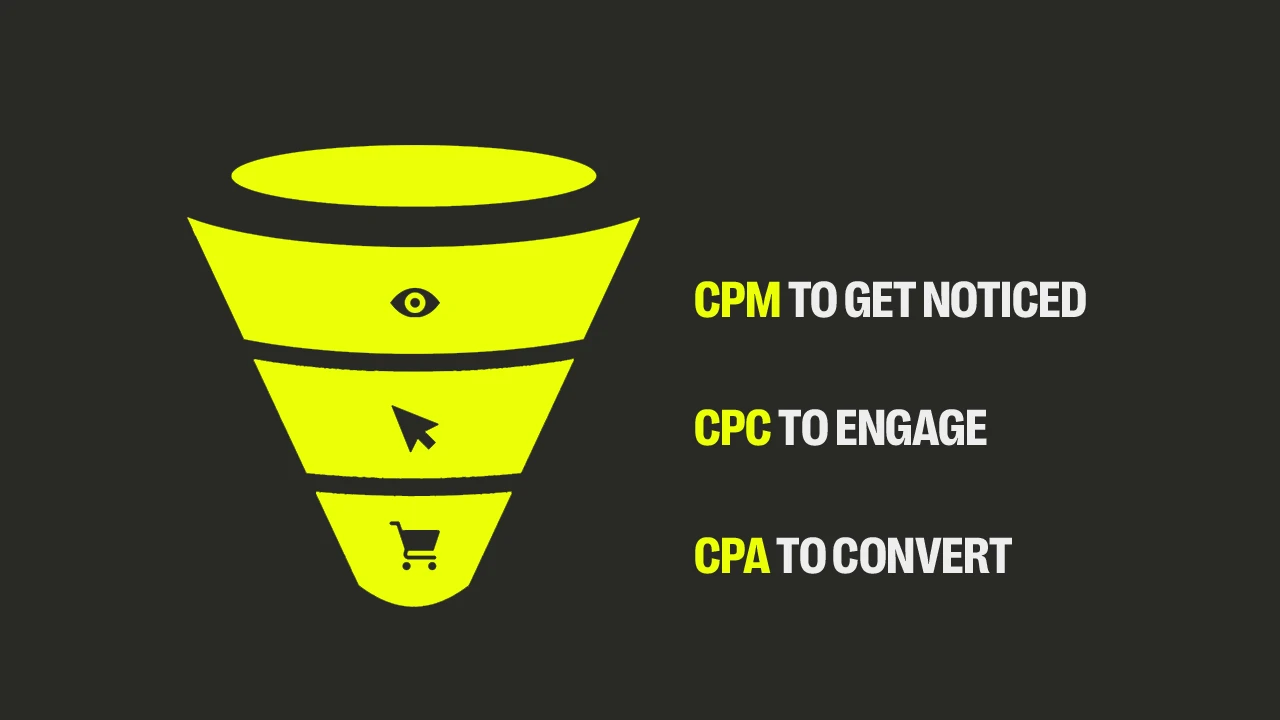
CPM (cost per thousand impressions) is the most competitive option and the go-to for scaling VOD campaigns. It gives you access to larger volumes and stronger delivery, especially when paired with the right optimization strategy. Using Auto Rules makes a big difference here – you can adjust bids, pause underperforming placements, and optimize performance without constantly managing campaigns manually.
CPC (cost per click) is a more controlled approach. It works well with highly clickable formats and ensures you only pay when users actually engage. While it’s generally less competitive than CPM in terms of volume, it can be a good option if you want tighter budget control during testing.
CPTA (cost per target action) focuses on performance by optimizing toward a specific acquisition goal. It’s best used once you have a clear understanding of your funnel and conversion data, allowing you to fine-tune campaigns around real results rather than assumptions.
The overall approach stays the same: start with a model that gives you data and reach, then refine based on performance.
Device Targeting Matters
A huge share of VOD traffic comes from mobile. and it shows. Users are watching, browsing, and clicking from their phones, often in short bursts but at high frequency. If your funnel isn’t built for that, performance drops fast.
That means fast load times, clean layouts, and zero friction. If users have to zoom, scroll endlessly, or wait too long, they’re gone.
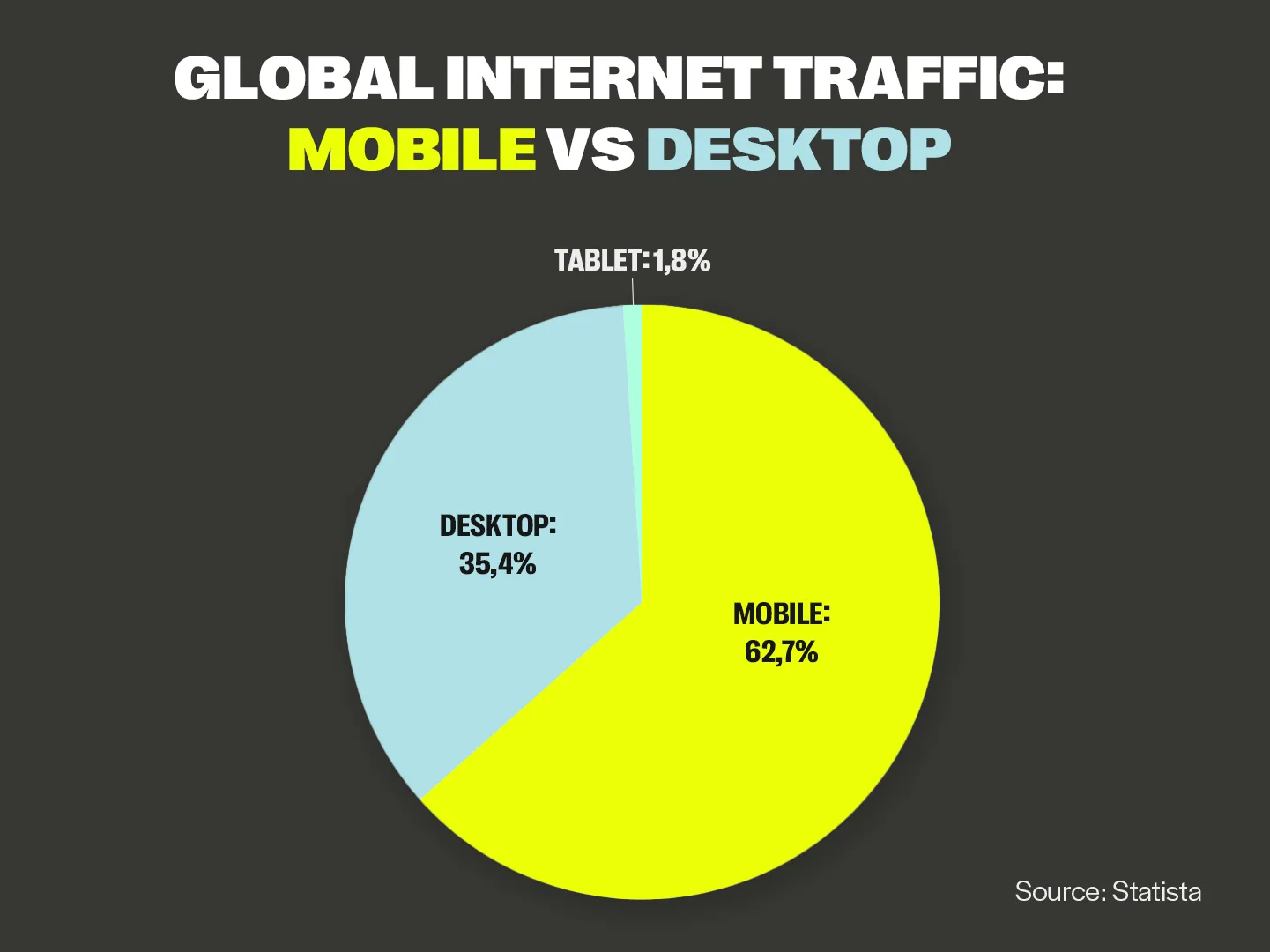
Desktop still has its place, especially for certain GEOs and verticals, but mobile is where most of the volume (and those golden conversions) live.
Keep Targeting Simple at the Start
This is where advertisers can overthink things. They stack GEO filters, device layers, time scheduling, audience assumptions… and end up restricting their own reach before the campaign even has a chance to breathe.
Like our case study shows, VOD traffic already comes with strong intent. You don’t need to control every variable from day one. Start with a broader setup. Let the campaign run. Give it space to generate real data. Without data, you’re guessing when you need to be optimizing.
Optimize Based on Real Data
Once traffic starts flowing, everything becomes clearer, and this is where the real work begins. You’ll start seeing patterns:
- Certain GEOs convert better
- Some devices outperform others
- Specific creatives pull stronger engagement
This is where you stop experimenting blindly and start making decisions. Cut what doesn’t perform, double down on what does, and keep refining. This is where Auto Rules really shine. Set your goals, and let it get to work, focusing your spend in areas where it’s truly effective. The difference between average campaigns and scalable ones usually comes down to this step. Not creativity. Not luck. Just consistent, data-driven optimization.
How To Choose a VOD Advertising Platform?
Choosing the right VOD advertising platform is where everything either clicks or falls apart. You need traffic that converts. That’s the whole game. So the real question isn’t “which platform looks good?”, it’s “where does the traffic come from, and does it match your audience?”
Start with the source.
If a platform works with websites related to entertainment, streaming, sports, or Movies & TV content, you’re already in a better position. The closer the environment is to what you’re promoting, the easier it is to convert users. You’re simply tapping into the interest.
Then look at the users behind that traffic.
Who are they? What are they doing when they see your ad? If the audience matches your ideal user (people who already consume content regularly) you’re far more likely to get results. If there’s a mismatch, even great creatives won’t save you.
Next comes flexibility.
A good platform should let you test different ad formats (pop-under, interstitial, in-page push, and display) and approaches without locking you into one setup. Especially when you factor in video ads. There’s no better way to advertise video than with video. VOD campaigns rarely work perfectly from day one, so having room to experiment is essential.
Finally, think about control and optimization.
You need clear data, the ability to adjust quickly, and tools that help you scale what works while cutting what doesn’t. Without that, you’re just guessing, and guessing gets expensive fast.
At the end of the day, the best VOD advertising platform isn’t the one with the biggest reach.
It’s the one that puts your offer in front of the right users, in the right context, consistently.
Conclusion
VOD advertising gives advertisers direct access to users who are already primed to consume content. With the right targeting, ad formats, and VOD advertising platform, it’s possible to turn that attention into real, scalable results. Keep the setup simple, focus on performance, and let the data guide your growth.
For advertisers, it’s a way to acquire users who are ready to consume content. No tricks. No complicated strategies. Just the right message, in the right place, at the right time. That’s what drives results.
Share

Peter Howarth
Content Writer, Adcash
Good writing should feel like a conversation, not a lecture. I obsess over word choice so you don’t have to.